


Mechanical Scales
When power is not available, the environment is dusty, or operators simply need a straightforward weighing method, Mechanical Scales remain a practical choice in many warehouses, markets, workshops, and general industrial settings. Their appeal comes from simple operation, visible readings, and dependable use in routine weighing tasks where speed and ease of handling matter more than advanced connectivity.
Within the broader weighing ecosystem, this category is suited to users looking for durable, easy-to-maintain scales for everyday load checking, goods handling, and basic trade or production support. Depending on the application, mechanical models can cover everything from small bench-style weighing to heavier-duty hanging or platform-based use.
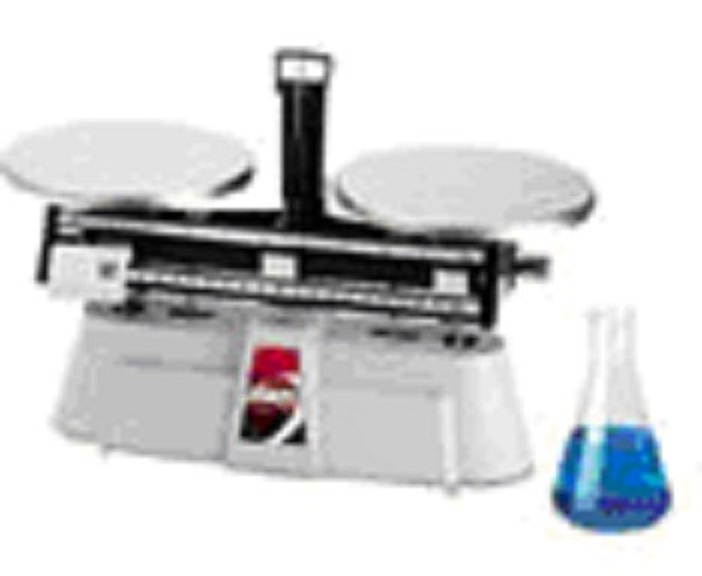
Where mechanical scales are commonly used
Mechanical weighing devices are still widely used because they fit environments where simplicity is an advantage. In receiving areas, packing stations, retail stalls, agricultural operations, and small production lines, they help staff verify weight quickly without depending on chargers, software, or complex setup.
They are also useful as backup instruments alongside digital systems. A facility may rely on electronic weighing for data logging, but keep mechanical units available for manual checks, mobile use, or work in locations where rugged handling is expected.
Typical product types in this category
This category can include compact bench scales for light goods, medium-capacity units for general-purpose weighing, and hanging models for suspended loads. For example, the Nhơn Hòa CNH2KG 2kg Scale is aligned with light-duty weighing where finer low-range measurement is needed, while larger-capacity options such as the Nhơn Hòa 60kg Scale, Nhơn Hòa NHS-20 Scale (20kg), Nhơn Hòa NHS-30 Scale (30kg), and 100kg-class models support heavier goods and broader daily use.
For suspended weighing applications, the PCE CS 300 Hanging Scales illustrate a different use case: checking loads while they are lifted or attached to a hook. This type of solution is often selected when a floor or bench setup is less convenient, or when operators need to weigh items during movement, loading, or storage handling.
How to choose the right mechanical scale
A good starting point is weighing capacity. The scale should comfortably cover the normal working range without operating too close to maximum load on every cycle. Small parts, food items, or packaged materials may require low-capacity models, while bulk goods, sacks, containers, or general merchandise call for medium or high-capacity versions.
Next, consider readability and intended accuracy. A scale used for rough checking does not need the same graduation as one used for portioning or repeated batch preparation. It is also worth reviewing physical size, dial or display visibility, portability, and whether the scale will be installed on a bench, used on the floor, or suspended overhead.
Environmental conditions matter as well. If the scale will be exposed to dust, splashes, frequent relocation, or repetitive handling, a robust structure and simple mechanical design may be more suitable than a more sensitive instrument. In mixed operations, users sometimes complement mechanical equipment with a precision scale for smaller, more exact measurement tasks.
Mechanical vs. electronic weighing solutions
The main advantage of mechanical equipment is operational simplicity. There is less dependence on power supply, fewer electronic components, and generally a lower barrier for routine use. This makes mechanical scales attractive in basic weighing workflows where reliability and quick visual confirmation are the priority.
Electronic scales, on the other hand, are often preferred when users need faster stabilization, digital output, advanced functions, or tighter resolution. If the application goes beyond straightforward gross weighing, related categories such as counting scale systems or analyzer scale equipment may be more appropriate for process control, formulation, or analytical work.
Representative manufacturers in this range
Nhơn Hòa is a notable name in this category, especially for users looking for familiar mechanical models across several capacity ranges. The brand appears in compact, mid-range, and higher-capacity products, making it relevant for applications from small goods to heavier commercial loads.
PCE is represented here through a hanging-scale format that supports suspended weighing tasks. This broadens the category beyond traditional countertop or platform-style use and gives buyers an option for handling loads that are easier to weigh from a hook than on a flat surface.
What to check before purchasing
Before selecting a model, review the load range you handle most often, the minimum increment that is useful for your process, and the available installation space. It is also helpful to think about operator workflow: how often the scale is moved, how quickly readings need to be seen, and whether the unit will be used occasionally or throughout the day.
Accessories and maintenance needs can also affect long-term usability. If your application involves replacement parts, mounting elements, or supporting components, it may be worth exploring weighing accessories that help keep the system practical and serviceable over time.
Suitable applications by capacity range
Lower-capacity models are commonly chosen for light products, portion checking, and small packaged items. Mid-range options are often used for cartons, produce, ingredients, or workshop materials, while higher-capacity scales are better suited to sacks, inventory handling, and general receiving tasks where larger items must be weighed quickly.
In practice, the best choice is not only about maximum load. The right model balances capacity, readability, physical format, and the working environment. That is why buyers often compare several scale formats before deciding whether a compact mechanical bench unit, a larger floor-oriented model, or a hanging scale best fits their operation.
Final thoughts
Mechanical scales continue to serve an important role where straightforward weighing, durability, and ease of use are valued. Whether you need a small-capacity unit for lighter goods or a larger model for everyday industrial or commercial weighing, this category offers practical options for manual measurement tasks.
By matching the scale type to your load range, operating conditions, and workflow, it becomes easier to choose equipment that supports consistent daily use without unnecessary complexity. If your process later requires higher precision or specialized functions, related weighing categories can complement a mechanical setup effectively.
-
-
-
-
-
-
-
-
-
-
-
-
-
-
-
-
-
-
-
-
-
-
-
-