


Grass and Straw moisture meters Calibration Service
Reliable moisture readings matter when hay, grass, or straw quality directly affects storage stability, feed value, and the risk of spoilage. In agricultural operations, even a small measurement error can lead to poor baling decisions, unnecessary drying time, or material that is stored above a safe moisture range. A professional Grass and Straw moisture meters Calibration Service helps keep these instruments aligned with their intended measurement performance.
This service category is designed for businesses that depend on consistent moisture verification in field, storage, and processing environments. Whether the meter is used for incoming material checks, routine farm operations, or quality control workflows, calibration supports more dependable readings and better day-to-day decision-making.
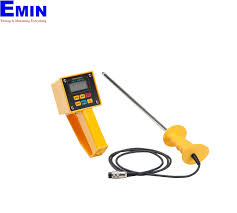
Why calibration is important for grass and straw moisture meters
Moisture meters used on fibrous agricultural materials operate in conditions where sampling variation, handling, wear, and long-term drift can affect results. Over time, an instrument may no longer indicate moisture values as expected, especially if it is frequently used in changing temperatures, dusty storage areas, or demanding field environments.
Calibration service helps verify the meter’s measurement behavior and supports confidence in the readings used for harvesting, drying, transport, and storage decisions. For hay, grass, and straw applications, this is especially important because moisture levels are closely tied to product condition, process timing, and storage risk.
Typical users and application scenarios
This category is relevant for farms, agricultural suppliers, forage producers, feed operations, and service providers that regularly measure moisture in baled or loose plant material. It is also useful for organizations that maintain documented inspection or maintenance routines for testing equipment.
In practice, calibration is often scheduled as part of preventive maintenance, after intensive seasonal use, or when a meter’s readings appear inconsistent with expected material condition. If your work also involves other agricultural moisture instruments, related services such as calibration for agricultural product moisture meters may also be relevant.
What this service category covers
This page focuses on calibration services for instruments used specifically with grass, hay, and straw moisture measurement. The goal is not simply to keep a device operational, but to support measurement accuracy and repeatability within its intended application.
Depending on the instrument and service scope, calibration may be requested for equipment used in routine crop checks, storage verification, or inspection workflows. This category can be a practical fit when the primary concern is maintaining trust in the meter’s reported values rather than replacing the device prematurely.
Representative brands supported in this category
Several established brands appear in this service range, including PCE, DRAMINSKI, and G-WON. These manufacturers are commonly associated with moisture measurement solutions used in agricultural environments, and calibration support helps users maintain continuity in existing equipment fleets.
Examples listed in this category include the PCE Hay and Straw Moisture Meter Calibration Service, the DRAMINSKI Hay and Straw Moisture Meter Calibration Service, and the G-WON Hay and Straw Moisture Meter Calibration Service. These examples illustrate the brand-specific service availability within the broader hay and straw moisture meter calibration workflow.
When to send a meter for calibration
Many users book calibration on a scheduled basis, such as annually or before a demanding harvest period. Others send instruments in when readings begin to vary unexpectedly between similar samples, after extended storage, or following heavy use in the field.
Calibration is also worth considering after impacts, repairs, battery leakage, or any event that may influence the meter’s sensing or internal stability. If your quality process depends on documented instrument verification, regular calibration can be part of a more structured maintenance program rather than a reactive service step.
How to choose the right calibration service
The most important starting point is matching the service to the actual instrument application. A meter used for hay and straw should be calibrated under the appropriate service category, rather than using a generic moisture-related option that may not reflect the way the instrument is used in practice.
It is also helpful to check whether your broader equipment list includes related devices for humidity or moisture control. In those cases, services such as soil moisture meter calibration or dehumidifier calibration service may help consolidate maintenance planning across different instruments.
Supporting better agricultural quality control
For operations that handle forage and dry plant material, moisture measurement is closely connected to quality assurance. Better-controlled readings can support more consistent storage decisions, reduce uncertainty during receiving or dispatch, and help teams work with a clearer reference point when comparing batches.
Grass and straw moisture meter calibration is therefore not only a technical maintenance task, but also a practical step in protecting process reliability. When measurement tools are checked at appropriate intervals, businesses can make operational decisions with greater confidence and reduce the likelihood of avoidable errors linked to inaccurate readings.
Conclusion
Choosing the right calibration service for grass, hay, and straw moisture meters helps maintain confidence in one of the most important checks in agricultural material handling. For businesses that rely on moisture data for storage, processing, or quality control, regular calibration supports more dependable instrument performance over time.
If you are reviewing service options for existing equipment, this category provides a focused starting point for instruments used specifically with grass and straw applications. It can also fit naturally into a wider maintenance plan covering other moisture and environmental measurement devices across your operation.
-
-
-
-
-
-
-
-
-
-
-
-
-
-
-
-
-
-
-
-
-
-
-
-