


Mechanical Measuring Instruments Calibration Service
Dimensional checks, surface measurements, and alignment verification only remain trustworthy when the instruments behind them are properly maintained. In manufacturing, quality control, maintenance, and incoming inspection, even a small measurement drift can affect tolerances, process capability, and product acceptance. That is why Mechanical Measuring Instruments Calibration Service plays an important role in keeping measurement systems consistent and usable across daily operations.
This category covers calibration support for common mechanical measurement tools used in workshops, laboratories, production lines, and maintenance environments. It is relevant for businesses that rely on repeatable dimensional inspection, coating thickness verification, comparative gauging, and shaft or pulley alignment accuracy as part of their quality workflow.
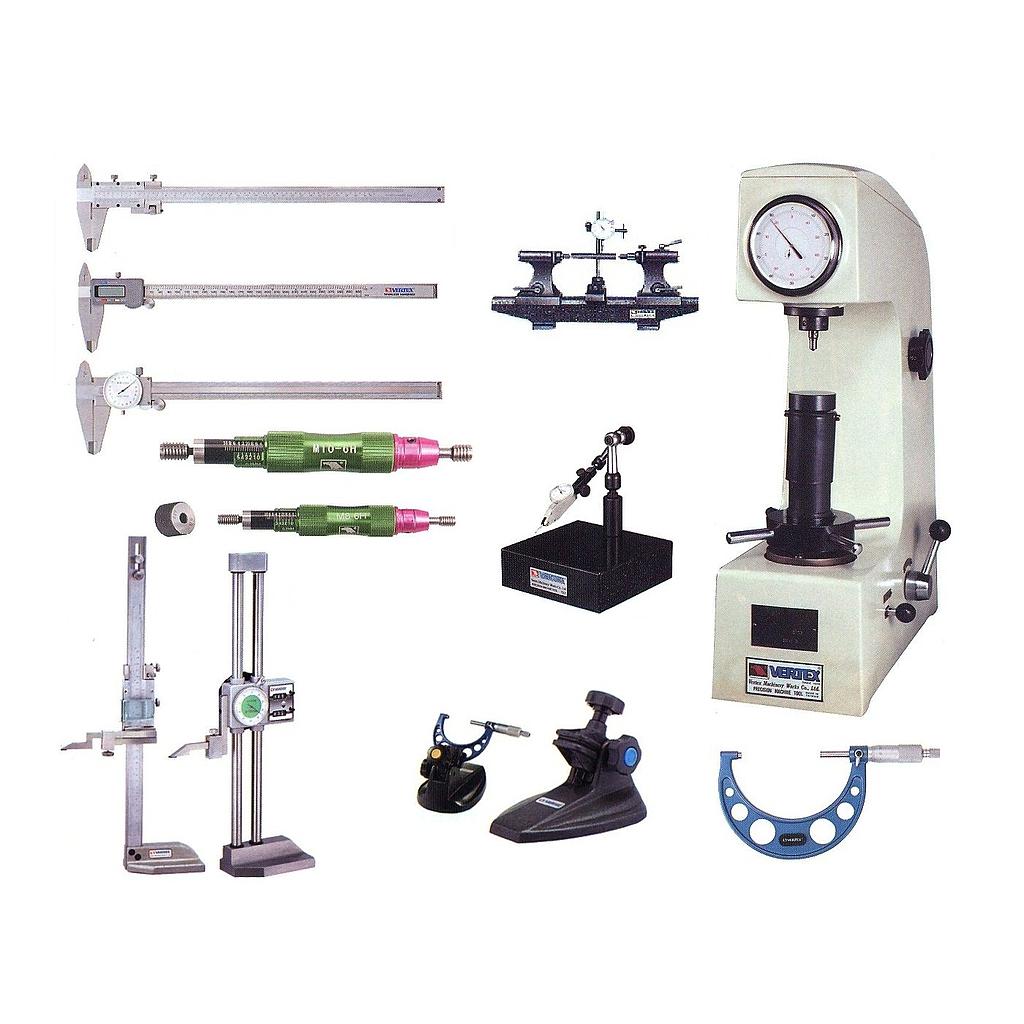
Why calibration matters for mechanical measuring instruments
Mechanical measuring devices are often used as reference tools in routine inspection, setup, and maintenance work. Over time, wear, handling conditions, environmental effects, and repeated use can influence their indication and repeatability. Regular calibration helps confirm whether an instrument still performs within acceptable limits for its intended task.
For many industrial users, calibration is not only about compliance. It also supports process stability, reduces uncertainty in inspection results, and provides a clearer basis for decisions related to machine setup, part acceptance, and preventive maintenance. When a measuring tool is used to verify critical dimensions or alignment conditions, measurement confidence becomes essential.
Instruments commonly included in this service category
This category is centered on calibration for a broad range of mechanical measuring and comparative instruments. Typical examples include calipers, height gauges, dial indicators, thickness gages, and laser pulley or shaft alignment systems. These devices serve different functions, but they all share one requirement: their readings must remain dependable in real operating conditions.
Calibration needs can vary significantly from one instrument type to another. A caliper or height gauge is often evaluated for dimensional accuracy across its measuring range, while a dial indicator may be checked for indication behavior and repeatability. A thickness gage used for coating or material inspection has different usage demands again, and laser alignment systems require confidence in their ability to support precision machinery alignment tasks.
For broader service planning, companies that manage mixed fleets of dimensional tools may also review related options under electrical and electronic meter calibration services when their quality systems combine both mechanical and electronic measurement equipment.
Representative brands and service examples
This category includes calibration service examples associated with widely used industrial brands such as Mahr, MITUTOYO, DEFELSKO, ELCOMETER, EXTECH, EASYLASER, FIXTURLASER, and KERN. Brand coverage is useful in practice because many facilities standardize on specific instrument families across departments, from inspection rooms to field maintenance teams.
Examples from the available service range include Mahr Height Gauge Calibration Service, Mahr Calipers Calibration Service, MITUTOYO Dial Indicators Calibration Service, KERN Height Gauge Calibration Service, and calibration services for thickness gages from Mahr, DEFELSKO, ELCOMETER, and EXTECH. For alignment applications, EASYLASER Laser Pulley/Shaft Alignment System Calibration Service and FIXTURLASER Laser Pulley/Shaft Alignment System Calibration Service illustrate the wider scope of this category beyond classic hand measuring tools.
How to choose the right calibration scope
Selecting the right service starts with understanding how the instrument is used. A tool dedicated to final inspection may require a different calibration interval or acceptance approach than one used for setup checks on the shop floor. The measuring range, the resolution of the instrument, the criticality of the application, and the frequency of use all influence the most suitable calibration plan.
It is also useful to group instruments by function. Calipers and height gauges support dimensional verification, dial indicators are often used for comparative measurement and machine setup, and thickness gages are commonly tied to coating control or material evaluation. Laser alignment systems, by contrast, are closely connected to equipment reliability and rotating machinery maintenance, where alignment quality can influence vibration, wear, and energy efficiency.
For organizations that want a narrower service focus, related categories such as thickness gauge calibration service can help when managing a specific instrument group separately from the rest of the mechanical measurement inventory.
Applications across manufacturing, inspection, and maintenance
Mechanical calibration services are relevant in a wide range of industrial settings. In machining and fabrication, they support dimensional control for parts, fixtures, and assemblies. In metal finishing or coating inspection, thickness gages help verify process outcomes. In maintenance environments, dial indicators and laser alignment systems contribute to machinery setup, alignment, and condition-related work.
These services are also important in incoming goods inspection, laboratory verification, and contractor-based maintenance programs. Businesses working with tight tolerances or documented quality systems often need traceable measurement performance not only for customer requirements, but also to avoid disputes between production, QA, and maintenance teams over inconsistent readings.
When recalibration should be considered
A fixed annual schedule is common, but it is not the only trigger for recalibration. Instruments should also be evaluated after impact, repair, unusual wear, questionable readings, or relocation between very different operating environments. If a device shows signs of sticking movement, unexpected deviation, or inconsistent results against known references, calibration should be considered sooner.
Usage intensity matters as well. A caliper used occasionally in a controlled room may age differently from a thickness gage used daily in harsher production conditions. Alignment systems used during major shutdowns or critical machine overhauls may also need closer attention because their readings influence maintenance decisions with real operational consequences.
Supporting a more complete calibration program
Many industrial sites do not manage mechanical instruments in isolation. They often maintain a wider fleet that includes power supplies, electronic meters, borescopes, and test equipment used alongside dimensional inspection tools. Building calibration planning around actual workflows can make documentation easier and reduce downtime caused by fragmented service scheduling.
Where applicable, users may also explore related categories such as oscilloscopes and logic analyzers calibration services or video borescope and camera calibration services to support a more complete metrology and maintenance ecosystem.
Choosing service support with practical relevance
The right calibration service should align with the actual instruments in use, the risk associated with incorrect readings, and the way measurement results are documented inside the organization. For some users, that means routine support for calipers and height gauges. For others, the priority may be dial indicators, thickness gages, or laser alignment systems used in maintenance-critical applications.
By organizing services around real instrument families and recognized manufacturers, this category helps buyers and technical teams identify suitable calibration options more efficiently. If your operation depends on reliable dimensional checks, comparative gauging, thickness verification, or alignment accuracy, a structured approach to mechanical instrument calibration is a practical step toward more dependable measurement results.
Types of Mechanical Measuring Instruments Calibration Service (122)
- Bore Gage Calibration Service (5)
- Callipers Calibration Service (10)
- Depth Gauge Calibration Service (8)
- Dial Indicators Calibration Service (6)
- Gloss Meter, Roughness Meter Calibration Service (25)
- Hardness Meter Calibration Service (25)
- Height Gauge Calibration Service (6)
- Laser Pulley/Shaft Alignment System Calibration Service (4)
- Micrometers Calibration Service (7)
- Thickness Gauge Calibration Service (26)
-
-
-
-
-
-
-
-
-
-
-
-
-
-
-
-
-
-
-
-
-
-
-
-