


OTDR photometer Calibration Service
Accurate fiber testing depends on more than having the right instrument on site. In optical network installation, maintenance, and troubleshooting, measurement drift can lead to incorrect attenuation readings, uncertain fault location results, and unnecessary rework. That is why OTDR photometer Calibration Service plays an important role in keeping optical test equipment reliable over time.
This service category is intended for organizations that rely on optical measurement consistency in telecom, data communication, utility networks, and industrial fiber infrastructure. Whether you use OTDR-related photometric functions for acceptance testing or routine field verification, proper calibration helps maintain confidence in your results and supports a more controlled maintenance workflow.
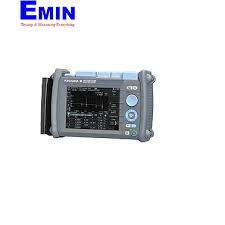
Why calibration matters for OTDR photometer functions
An OTDR is commonly used to evaluate fiber links by identifying events, estimating loss, and locating faults. When photometric measurement performance is not properly checked, small errors can affect pass/fail judgments, baseline comparisons, and long-term trend analysis. Calibration helps confirm that the instrument continues to measure within expected performance conditions.
For technical teams managing fiber infrastructure, this is especially relevant when instruments are shared across projects, used in demanding field environments, or required for documented maintenance procedures. A calibrated unit supports better traceability and reduces uncertainty when test data is used for commissioning, service reports, or fault isolation.
Typical users and application environments
This category is relevant for contractors, network service providers, maintenance teams, integrators, and test laboratories working with optical cabling and communication systems. In these environments, OTDR and photometer-related measurements may be used during installation handover, preventive maintenance, restoration work, or validation after repairs.
Calibration is also important when organizations need consistent results across multiple instruments or multiple technicians. If one team measures insertion loss or link condition with a drifting device while another uses a verified unit, comparison becomes difficult. A structured calibration approach helps standardize testing practice and improves confidence in field decisions.
What this service category covers
The focus here is on calibration services for equipment used in OTDR photometer measurement workflows. Depending on the instrument family and operating role, this may support verification of optical measurement accuracy and the overall dependability of test results generated in fiber optic diagnostics.
Typical examples available in this category include service options for instruments from ANRITSU, JDSU, YOKOGAWA, Promax, Fibretool, and Fluke Network. Representative listings include ANRITSU OTDR Meter Calibration Service, JDSU OTDR Meter Calibration Service, Fibretool OTDR Meter Calibration Service, Promax OTDR Meter Calibration Service, YOKOGAWA OTDR Meter Calibration Service, and Fluke Network OTDR Meter Calibration Service. These examples help illustrate brand coverage without implying that all devices follow the same calibration procedure.
How to choose the right calibration service
When selecting a service, the first step is to match it to the actual instrument brand and device type used in your testing process. Even when two products are both used in fiber measurement, their test architecture, operating range, and calibration requirements may differ. Choosing the correct service category helps avoid delays and ensures the equipment is handled in the right technical context.
It is also useful to consider how the instrument is used in practice. A unit used for high-frequency field deployment may need more regular verification than one used occasionally in a controlled environment. Teams that depend on a broader optical maintenance workflow may also need related services such as optical power meter calibration or optical fault locator calibration to keep the full test chain aligned.
Brand coverage and service relevance
Many organizations prefer calibration support that aligns with the brands already deployed across their operations. In this category, commonly referenced manufacturers include ANRITSU, Fluke Network, JDSU, YOKOGAWA, Promax, and Fibretool. This is helpful for buyers who manage mixed fleets of field instruments and want a clear route to service selection by manufacturer.
For example, teams already using Fluke Network instruments may look for a calibration path that fits existing maintenance schedules and documentation practices. The same applies to users of JDSU or YOKOGAWA devices in structured fiber testing programs. Mentioning brand-specific service options makes the category easier to navigate while keeping the focus on calibration suitability rather than product promotion.
Calibration within the broader optical test ecosystem
OTDR photometer verification is often only one part of a wider optical equipment maintenance plan. In many real-world applications, fiber acceptance and troubleshooting involve several complementary tools, each contributing a different part of the diagnosis. If one device is well maintained but another is not, the overall reliability of the test workflow can still be affected.
That is why buyers often review related service categories alongside this one. Depending on the equipment used in the field, it may also be relevant to consider fiber optic welding machine calibration service or optical analyzer calibration services as part of a broader asset maintenance plan. This kind of structured approach can help reduce measurement inconsistency across the full optical toolset.
When to arrange calibration service
A practical time to schedule calibration is before major deployment work, after extended field use, or whenever instrument behavior appears inconsistent with expected results. Organizations may also build calibration into periodic maintenance intervals so equipment condition is reviewed before it becomes a source of uncertainty in the field.
Another common trigger is the need for documented test confidence during project delivery or internal quality control. In these cases, calibration is not simply a routine administrative task; it is part of maintaining dependable measurement practice. For teams responsible for network uptime, service quality, or technical compliance, that distinction matters.
Supporting reliable optical measurements over time
OTDR photometer calibration is most valuable when viewed as part of a long-term reliability strategy rather than a one-time activity. It helps technical teams maintain trust in their instruments, compare results more consistently, and make better decisions during fiber testing and fault investigation.
If your operation depends on repeatable optical measurements, this category provides a focused starting point for selecting the appropriate calibration service by instrument type and brand. A well-matched service can help keep your optical test equipment ready for daily work, planned maintenance, and critical troubleshooting tasks alike.
-
-
-
-
-
-
-
-
-
-
-
-
-
-
-
-
-
-
-
-
-
-
-
-