


Coating Thickness Meter Calibration Service
Reliable coating thickness readings are essential when inspection results affect product quality, compliance, rework decisions, or warranty documentation. In manufacturing, metal finishing, automotive, fabrication, and maintenance environments, even a small measurement drift can lead to incorrect acceptance criteria or inconsistent reporting. That is why Coating Thickness Meter Calibration Service plays an important role in keeping measurement results accurate and traceable.
This service category is intended for businesses that use coating thickness gauges to verify paint, plating, anodizing, powder coating, or other protective layers on metal substrates. Regular calibration helps confirm that the instrument responds correctly across its operating range and supports more dependable quality control processes.
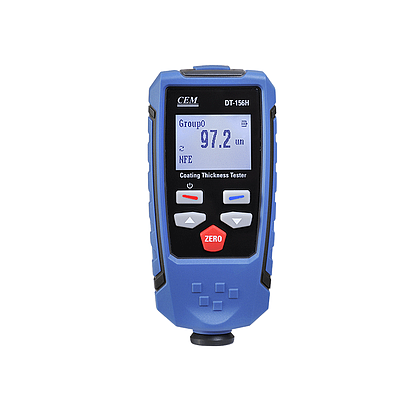
Why calibration matters for coating thickness measurement
A coating thickness meter is often used as a decision-making tool, not just a reference instrument. If the meter reads high or low, operators may approve parts that fall outside specification or reject acceptable parts unnecessarily. In production and inspection workflows, this can affect process capability, material usage, finishing consistency, and final documentation.
Calibration helps verify that the instrument remains aligned with known standards and continues to perform as expected. This is especially important for gauges used frequently, transported between job sites, or exposed to demanding shop-floor conditions. For companies that rely on repeatable inspection data, periodic calibration is a practical part of equipment control.
What this service is typically used for
Coating thickness meters are commonly applied where surface treatment quality must be checked on ferrous or non-ferrous metal parts. Typical use cases include painted steel structures, electroplated components, powder-coated assemblies, anodized aluminum parts, and maintenance inspection of existing coatings. In each case, the instrument must provide stable readings to support process verification.
This service category is relevant for incoming inspection, in-process quality checks, final QA, field inspection, and maintenance teams. It is also useful when a meter is newly purchased, has been in service for an extended period, or is showing inconsistent readings compared with reference foils or known samples.
Scope of a coating thickness meter calibration service
A professional service generally focuses on confirming the performance of the instrument against appropriate reference standards. The exact procedure can vary depending on the meter type and measurement principle, but the goal is the same: to assess measurement accuracy and ensure the device is suitable for ongoing use in inspection work.
Users often send instruments for calibration as part of scheduled preventive maintenance or audit preparation. If your organization manages several specialty measuring devices, it may also be useful to review related services such as laser power meter calibration or compressed air and gases tester calibration for broader instrument control planning.
Supported brands and common service requests
This category includes calibration support for widely used instruments from manufacturers such as DEFELSKO, ELCOMETER, EXTECH, and PCE. These brands are commonly found in industrial inspection and coating quality applications, and they are frequently used by QC departments, field inspectors, and maintenance teams.
Representative service listings in this category include DEFELSKO Coating Thickness Meter Calibration Service, ELCOMETER Coating Thickness Meter Calibration Service, EXTECH Coating Thickness Meter Calibration Service, and PCE Coating Thickness Meter Calibration Service. The purpose of mentioning these examples is to show the range of brand-specific support available, not to suggest that all meters share the same calibration method.
When to send a meter for calibration
Calibration intervals are usually determined by how critical the measurement is, how often the instrument is used, and the conditions in which it operates. Meters used daily in production or exposed to impact, dust, temperature changes, or frequent transport may need verification more often than instruments used occasionally in controlled environments.
It is also sensible to arrange service when readings appear unstable, when comparison checks fail, after accidental drops, or before important audits and customer inspections. A documented calibration history supports quality systems and gives users more confidence in the results reported from the instrument.
How to choose the right service option
When selecting a service, it helps to confirm the meter brand, model family, and the type of coating measurement involved. This reduces delays and ensures the service workflow matches the instrument being submitted. For example, a brand-oriented option may be more suitable if your equipment fleet is standardized around a specific manufacturer.
If your team uses multiple instruments from one supplier, you may also want to review manufacturer pages such as EXTECH instruments to understand the wider product ecosystem around your inspection setup. For organizations managing a broader calibration program, related specialty service categories can help streamline service planning across different test and measurement assets.
Benefits for quality assurance and process control
A properly calibrated gauge supports traceable measurement, more consistent inspection records, and better control over coating application quality. This can be particularly valuable in industries where coating thickness is directly tied to corrosion protection, appearance requirements, or product acceptance standards.
From a practical standpoint, calibration also helps reduce uncertainty in day-to-day decisions. Teams can compare readings more confidently across shifts, locations, and inspectors, while quality managers gain clearer evidence that measuring equipment is being maintained as part of a controlled system.
Choosing a dependable calibration workflow
For B2B users, the main objective is not simply to service an instrument once, but to maintain a reliable measurement process over time. A good calibration routine supports repeatability, reduces avoidable disputes over inspection data, and helps ensure that coating evaluations remain consistent throughout production and maintenance cycles.
Whether you are managing a single gauge or a larger fleet of inspection devices, this category provides a practical starting point for keeping coating thickness meters in working order. Reviewing the relevant brand-specific service options and aligning calibration intervals with actual usage conditions can help you build a more dependable inspection program.
-
-
-
-
-
-
-
-
-
-
-
-
-
-
-
-
-
-
-
-
-
-
-
-