


Stopwatch Calibration Service
Accurate time measurement matters in more places than many teams expect. From laboratory procedures and production cycle checks to maintenance routines, sports timing, and process verification, even a small timing error can affect records, repeatability, and compliance. When a stopwatch or timer is used as a reference tool in daily work, periodic calibration helps confirm that its readings remain dependable.
Stopwatch Calibration Service supports organizations that rely on precise elapsed-time measurement and need confidence in the instruments used for testing, inspection, or operational control. This service is relevant for standalone stopwatches, timer functions, and clock-based timing devices where traceable performance verification is part of a quality-focused workflow.
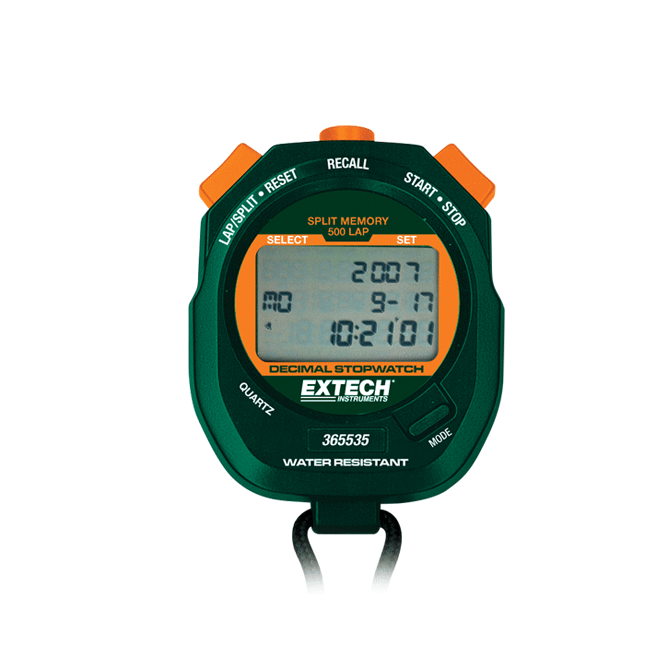
Why stopwatch calibration is important
A stopwatch may appear simple, but in technical environments it can influence the quality of measurements, procedural consistency, and documented results. If a device runs fast, slow, or inconsistently, the error can propagate into cycle-time checks, exposure tests, process timing, or validation steps that depend on accurate elapsed time.
Calibration helps verify the instrument against a known standard and identifies whether its timing performance stays within acceptable limits for the intended application. This is especially important where measurement traceability, repeatable testing, and controlled maintenance practices are required.
Typical applications for calibrated timing devices
Stopwatches and timer-based instruments are used across many technical and industrial settings. Common examples include timing inspection intervals, monitoring process dwell time, checking laboratory procedures, confirming equipment response time, and recording event duration during service or production activities.
In these cases, the value of calibration is not limited to the instrument itself. It also supports the reliability of the wider measurement workflow, particularly when time data is logged, compared over multiple shifts, or used as part of internal quality documentation.
What this service generally helps verify
A professional calibration process is typically intended to assess how closely a stopwatch or timer tracks a reference over defined intervals. Depending on the device type and application, this may include evaluating elapsed time accuracy, consistency, and overall functional performance relevant to timing use.
The goal is not simply to confirm that the device powers on or counts seconds, but to determine whether it remains suitable for use in technical work. For organizations managing several specialty instruments, this kind of verification fits naturally alongside services such as laser power meter calibration or coating thickness meter calibration as part of a broader metrology plan.
EXTECH service options in this category
For customers working with EXTECH instruments or seeking a familiar brand within this space, EXTECH is a featured manufacturer in this category. One representative offering is the EXTECH Stopwatch/Timer/Clock Calibration Service, which reflects the kind of support needed for timing-related devices used in professional environments.
When reviewing service options, it is helpful to consider not only the brand of the instrument, but also how the device is used in practice. A stopwatch used for basic operational timing may have different service expectations than one used in documented testing or regulated quality procedures.
How to choose the right calibration service
The most suitable service depends on the instrument type, its role in your process, and the level of confidence your operation requires. If the device is used in routine checks with recorded results, calibration intervals and service scope should align with the importance of that timing data to your workflow.
It is also useful to review whether the instrument is a dedicated stopwatch, part of a multifunction timer, or integrated into a broader specialty meter setup. In facilities that maintain multiple instrument categories, related services such as compressed air and gases tester calibration may be scheduled in parallel to simplify service planning.
When recalibration should be considered
Regular recalibration is commonly scheduled based on internal quality procedures, usage frequency, and the criticality of the measurement. However, there are also practical situations where earlier service may be appropriate, such as after impact, battery issues, suspected drift, inconsistent readings, or long periods of storage.
Any sign that timing results are no longer stable should be taken seriously, especially when the device supports repeatable tests or time-sensitive maintenance steps. Establishing a clear recalibration routine can reduce uncertainty and help maintain confidence in day-to-day measurement work.
Supporting a broader calibration program
Timing instruments are often just one part of a larger inspection and verification environment. Organizations that calibrate stopwatches may also maintain other specialized equipment used for physical measurement, process validation, or environmental checks. Managing these services together can improve documentation consistency and reduce gaps in calibration coverage.
This category is therefore most useful not only for replacing an overdue service, but also for building a more structured approach to instrument control. Whether the need is occasional or part of a formal calibration schedule, a well-matched timing service helps keep operational data more reliable and easier to trust.
Conclusion
Choosing a stopwatch calibration service is ultimately about protecting the quality of time-based measurements in real working conditions. When a stopwatch, timer, or clock function is used to support testing, inspection, or process control, periodic verification helps confirm that the instrument still performs as expected.
If your team relies on elapsed-time readings for technical tasks, this category provides a practical starting point for selecting an appropriate service. A calibrated timing device supports better repeatability, clearer records, and stronger confidence in the measurements behind your daily operations.
-
-
-
-
-
-
-
-
-
-
-
-
-
-
-
-
-
-
-
-
-
-
-
-