


Thermal Imaging Camera Calibration Service
Accurate thermal data depends on more than the camera itself. In maintenance, electrical inspection, building diagnostics, and process monitoring, even a capable instrument can deliver unreliable readings if its temperature response drifts over time. A professional Thermal Imaging Camera Calibration Service helps restore confidence in measurement results and supports more consistent decision-making in the field.
This category brings together calibration services for thermal imagers used across industrial, commercial, and technical environments. Whether the camera is used for preventive maintenance, troubleshooting overheating components, or comparing temperature patterns between assets, routine calibration is an important part of keeping the instrument fit for measurement work.
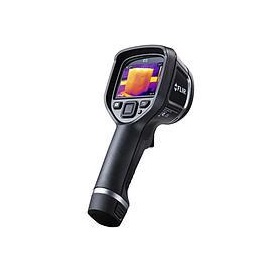
Why calibration matters for thermal imaging cameras
A thermal imaging camera does not simply capture a picture; it interprets infrared radiation and converts it into temperature-related data. That means the quality of inspection results depends on the camera’s sensing accuracy, internal reference behavior, and overall measurement stability. Over time, regular use, environmental exposure, transport, and aging can affect performance.
Calibration helps verify how closely the instrument aligns with expected measurement references. For users working in maintenance and diagnostics, this is especially valuable when temperature differences drive critical judgments such as identifying loose electrical connections, overloaded circuits, insulation issues, or abnormal heat generation in mechanical systems.
For organizations that also manage spot temperature tools, related services such as infrared thermometer calibration may be relevant when maintaining a complete temperature measurement workflow.
When to consider thermal camera calibration
Calibration is commonly scheduled as part of a preventive maintenance program, but there are several practical situations where it becomes especially important. If a camera has been used heavily, transported frequently between job sites, exposed to harsh environments, or has shown inconsistent readings, it is worth reviewing its calibration status.
Many users also send instruments for service before major inspections, audits, shutdowns, or reporting cycles where traceable measurement quality matters. In some cases, calibration is requested after repair or after a suspected impact event, helping confirm that the camera still performs within acceptable expectations for its intended application.
For teams that rely on multiple temperature instruments, it can also make sense to align service intervals with temperature meter and controller calibration services to simplify maintenance planning.
Typical use cases across industry
Thermal imaging cameras are widely used because they help detect temperature patterns that are difficult to identify with contact measurement methods alone. In electrical maintenance, they support the inspection of switchboards, terminals, breakers, transformers, and load-bearing connections. In mechanical systems, they can reveal friction, imbalance, bearing heat, or cooling problems.
Building and facility teams use thermal imagers for insulation assessment, air leakage checks, moisture-related investigations, and HVAC diagnostics. In manufacturing environments, they are also useful for observing process heat distribution, monitoring equipment condition, and checking whether heating or cooling stages behave as expected.
Because these applications often involve trend comparison over time, calibration supports more reliable repeatability. That is particularly important when a change in thermal pattern may trigger further inspection, maintenance work, or compliance documentation.
Brand coverage and service examples
This category includes service options for a broad range of commonly used thermal imagers. Examples in the current selection include FLIR Thermal Imaging Camera Calibration Service, FLUKE Thermal Imaging Camera Calibration Service, TESTO Thermal Imaging Camera Calibration Service, and service coverage for brands such as Chauvin Arnoux, KEYSIGHT, PCE, SEEK, HT, LaserLiner, and Advanced Energy.
The goal is not only to support a single brand ecosystem but to help buyers and maintenance teams find an appropriate service path for the instruments already in use. This is especially helpful in B2B environments where different departments or sites may operate mixed fleets of thermal cameras from several manufacturers.
If your workflow includes brand-specific instrument management, users may also browse the FLUKE or TESTO brand pages for related equipment and service context.
How to choose the right service for your instrument
Choosing a calibration service starts with matching the service to the actual instrument type. A thermal imager should be handled as a thermal imaging device rather than grouped together with contact probes or simple handheld IR spot thermometers, because the measurement principle and evaluation method are different.
It is also useful to confirm the brand and service scope before placing an order. In this category, examples include Advanced Energy Thermal Imaging Camera Calibration Service, Chauvin Arnoux Thermal Imaging Camera Calibration Service, FLIR Thermal Imaging Camera Calibration Service, Seek Thermal Imaging Camera Calibration Service, and Fluke Thermal Imaging Camera Calibration Service. Selecting the right listing helps reduce delays and keeps service handling aligned with the instrument in use.
For organizations with both imagers and handheld temperature tools, a separate contact temperature meter calibration service may be more suitable for probe-based instruments.
What users typically expect from a calibration workflow
A professional calibration workflow is generally expected to focus on verifying measurement performance against known references and documenting the service result clearly. For buyers in industrial maintenance or quality functions, the practical value lies in improved traceability, clearer instrument status, and better confidence before the device returns to active use.
While exact procedures can vary by instrument and service arrangement, users typically look for a process that supports routine maintenance planning, instrument control, and long-term asset management. This is particularly relevant in organizations where thermal data contributes to maintenance records, safety checks, or inspection reports.
When thermal inspections are part of a wider reliability strategy, calibration should be treated as one element in the broader measurement chain, alongside user practice, environmental conditions, emissivity understanding, and application-specific interpretation.
Supporting better temperature measurement decisions
Reliable temperature measurement starts with using the right tool and maintaining it properly. A thermal camera can provide fast, non-contact insight into heat distribution, but meaningful results depend on the instrument remaining stable and trustworthy over time. Regular calibration helps support that requirement and reduces uncertainty when thermal data is used for maintenance or technical evaluation.
If you are managing one or several thermal imagers, this category is designed to help you identify suitable service options by brand and application context. Combined with related calibration services for other temperature instruments, it supports a more consistent and better controlled inspection program across your operation.
-
-
-
-
-
-
-
-
-
-
-
-
-
-
-
-
-
-
-
-
-
-
-
-