


Ion Measurement Electrode In Water Inspection service
Reliable water quality data depends not only on the meter, but also on the condition of the sensing element in contact with the sample. When an ion-selective electrode begins to drift, respond slowly, or lose sensitivity, test results can become difficult to trust in laboratory work, environmental monitoring, process control, and wastewater applications. This is why a professional Ion Measurement Electrode In Water Inspection service plays an important role in maintaining measurement confidence.
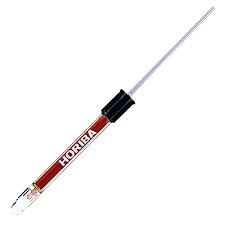
Why inspection matters for ion measurement electrodes
Ion measurement electrodes are used to detect the activity or concentration of specific ions in water samples. Their performance can be influenced by membrane aging, contamination, improper storage, reference issues, sample matrix effects, or mechanical damage. Even when the instrument appears to power on normally, the electrode itself may no longer deliver stable or repeatable readings.
A structured inspection helps identify whether the electrode is still suitable for use, whether its response remains within an acceptable condition for routine work, and whether maintenance or replacement should be considered. For organizations that rely on traceable environmental data, periodic inspection also supports better quality control and reduces the risk of decisions based on incorrect measurements.
What this service is typically used for
This service is relevant for facilities and teams that use ion-selective measurement in water testing workflows. Typical use cases include environmental laboratories, industrial water treatment systems, educational laboratories, utilities, food and beverage quality control, and general process monitoring where ion concentration affects product quality or compliance requirements.
In many of these settings, the electrode is part of a broader measurement chain that includes the meter, standards, sample handling procedures, and operator practice. Inspecting the electrode helps confirm that one of the most sensitive parts of the system is functioning as expected. If your workflow also involves related instruments, you may want to review services such as water activity meter inspection or dew point meter inspection for broader environmental measurement support.
Key points usually evaluated during electrode inspection
Although the exact procedure depends on the electrode type and application, inspection generally focuses on the practical condition of the sensing component and its ability to respond consistently. The goal is not only to find obvious defects, but also to detect gradual degradation that may affect analytical reliability.
- Physical condition of the electrode body, cable, connector, membrane, and reference section
- Response behavior, including stability, repeatability, and reaction time under suitable test conditions
- Signs of contamination, fouling, dehydration, leakage, or chemical attack
- Basic functional suitability for continued use in water analysis tasks
This kind of evaluation is especially useful when users notice unstable values, extended stabilization time, offset behavior, or poor agreement with reference solutions. In practice, these symptoms often develop gradually, which makes periodic inspection more effective than waiting for complete failure.
Common issues seen in water ion measurement applications
Electrodes used in real-world water samples are exposed to a wide range of operating conditions. High ionic strength, suspended solids, temperature variation, sample contamination, and improper cleaning can all influence performance. In addition, storage mistakes may shorten the usable life of the sensing element or alter its response characteristics.
Another common issue is assuming that all measurement errors come from the meter or calibration procedure. In reality, the electrode is frequently the first component to deteriorate. A proper inspection helps separate electrode-related problems from broader system issues, allowing maintenance teams and laboratory staff to troubleshoot more efficiently.
When to consider scheduling an inspection
Inspection is often recommended when there are signs that the electrode no longer behaves normally in daily use. This may include unstable readings, poor repeatability, slower response than usual, unexpected calibration difficulty, or disagreement with known sample values. It can also be a sensible step after long storage periods or before returning critical equipment to service.
For organizations with internal quality systems, routine inspection intervals can help standardize equipment management across departments. This is particularly useful where water analysis supports compliance, reporting, or product release decisions. If your site also manages other environmental instruments, related services such as light meter inspection and sound level meter inspection may be relevant within the same maintenance planning process.
How inspection supports more dependable water analysis
An electrode that has been checked regularly is easier to manage in routine operation. Inspection supports better decisions around cleaning, replacement timing, and instrument readiness, helping users avoid unnecessary downtime or repeated testing caused by questionable results. It also improves visibility into the actual condition of consumable or semi-consumable sensing components.
For teams working under documented procedures, this service contributes to a more controlled measurement environment. Instead of relying only on operator judgment, inspection provides a clearer basis for determining whether the electrode remains appropriate for the intended application. That is especially valuable where measurement reliability and consistent test records matter.
Choosing the right service for your application
Before arranging service, it is helpful to identify the electrode type, the water application, the symptoms observed, and how the device is used in practice. This context makes it easier to assess the condition of the electrode and determine whether the issue is likely related to sensing performance, handling, storage, or the wider measurement setup.
If your operation depends on ion analysis as part of routine environmental or process testing, a focused inspection service is a practical way to reduce uncertainty and improve day-to-day confidence in results. For buyers and maintenance coordinators, it also supports a more systematic approach to managing water measurement equipment across laboratories and industrial sites.
Regular attention to electrode condition can make a meaningful difference in the quality of water testing outcomes. A well-planned Ion Measurement Electrode In Water Inspection service helps identify hidden performance issues early, supports more reliable analysis, and gives technical teams a clearer basis for maintenance or replacement decisions.
-
-
-
-
-
-
-
-
-
-
-
-
-
-
-
-
-
-
-
-
-
-
-
-