


UV Transmittance Monitor Inspection Service
Stable UV transmittance measurement is critical in water and wastewater treatment, especially where UV disinfection performance must be monitored with confidence. When a monitor begins to drift, respond slowly, or show inconsistent readings, inspection becomes an essential step to verify whether the system is still suitable for process control, compliance checks, and routine operation.
UV Transmittance Monitor Inspection Service is intended for facilities that rely on online optical measurement and need a practical way to assess instrument condition, measurement reliability, and overall readiness for continued use. This type of service is especially relevant for plants that operate continuously and cannot afford hidden sensor or controller issues that affect treatment efficiency.
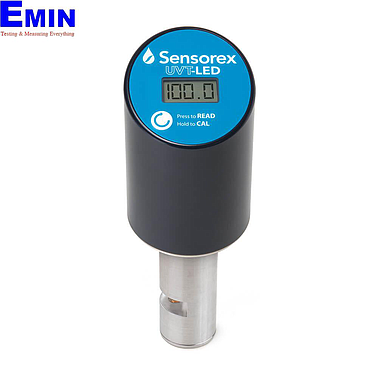
Why UV transmittance monitoring needs regular inspection
UV transmittance monitors are used to evaluate how well water allows ultraviolet light to pass through it. In practical terms, this affects how operators interpret UV disinfection performance, process stability, and changes in water quality. Because the measurement depends on optical components and stable signal handling, even small issues can gradually reduce confidence in the displayed value.
Inspection helps identify problems such as fouling, signal instability, optical degradation, wiring issues, controller irregularities, or general wear from long-term operation. In industrial environments, these issues may not always cause immediate failure, but they can lead to subtle measurement error that becomes significant over time.
What this inspection service typically helps evaluate
A structured inspection of an online UV transmittance monitor is usually aimed at checking the measurement chain rather than looking at only one component in isolation. This can include the sensing section, optical path condition, signal transmission, controller response, display behavior, and basic communication between field device and monitoring system.
For maintenance teams and plant operators, the main value lies in understanding whether the instrument still behaves consistently under normal operating conditions. The service may also help determine whether the issue is related to the sensor, controller, installation condition, contamination, or interaction with the surrounding process.
Where facilities operate several online analyzers at the same time, it is often useful to review similar services for related instruments such as conductivity and TDS sensor inspection when broader water quality monitoring performance is being assessed.
Common situations where inspection is recommended
Inspection is often requested when readings appear unstable, values no longer match expected process conditions, or the monitor shows reduced repeatability after extended operation. It is also relevant after maintenance shutdowns, replacement of connected parts, relocation of the instrument, or whenever process engineers want to confirm the reliability of an online reading before making operating decisions.
Another common case is preventive maintenance. Instead of waiting for total failure, many facilities inspect online UV instruments periodically to reduce the risk of unexpected process interruption. This approach is particularly useful in treatment systems where UV monitoring supports disinfection control, reporting, or operator alarm response.
- Unexpected drift in displayed transmittance values
- Slow response to process changes
- Suspicion of optical fouling or aging components
- Inconsistent readings between field conditions and operator expectations
- Need to verify controller behavior during routine maintenance planning
Key points checked during UV transmittance monitor inspection
Although the exact inspection scope depends on the installed system, most evaluations focus on the condition of optical measurement components, signal quality, and controller functionality. The goal is not only to find visible defects, but also to detect conditions that can compromise measurement integrity under real operating conditions.
Optical performance is a central concern. Deposits, contamination, misalignment, or surface deterioration can all affect the amount of light detected by the instrument. In addition, the inspection may consider connection stability, power condition, enclosure condition, and whether the monitor behaves normally during operation and routine checks.
In plants that use multiple online instruments, related service categories such as chlorine sensor and online controller inspection may also be relevant, especially where UV and residual disinfectant monitoring are both part of the same treatment workflow.
Benefits for operation, maintenance, and process reliability
The immediate benefit of inspection is better visibility into the actual condition of the installed monitor. Instead of relying only on the displayed number, operators and maintenance teams gain a clearer basis for deciding whether the instrument can remain in service, needs cleaning or adjustment, or requires deeper troubleshooting.
From a broader maintenance perspective, this supports predictive and preventive maintenance by helping teams address instrument issues before they affect process quality or cause downtime. It can also reduce unnecessary replacement of parts when the root cause is actually related to installation condition, contamination, or controller-side behavior rather than complete sensor failure.
Facilities managing suspended solids and optical monitoring together may also compare maintenance priorities with services such as SS and MLSS sensor inspection, depending on the treatment stage being monitored.
How to choose the right inspection scope
When arranging a UV transmittance monitor inspection, it helps to define the actual problem first. Some sites need a basic condition check to confirm whether the instrument is operating normally, while others need a more focused review because of unstable output, suspected optical contamination, or recurring controller alarms. A clear description of the symptom usually leads to a more useful inspection outcome.
It is also worth considering the role of the monitor in the process. If the instrument is tied closely to treatment decisions, compliance records, or interlocked control logic, the inspection should focus not only on sensor condition but also on signal consistency and how the controller behaves in actual plant operation. This is especially important where one unreliable reading can influence wider system performance.
Related online inspection services in the same measurement environment
Water and wastewater facilities rarely depend on a single online instrument. UV transmittance monitoring often operates alongside conductivity, chlorine, solids, or other analytical measurements, each of which can introduce its own maintenance and reliability concerns. Looking at inspection needs across the instrument network can improve overall process visibility and reduce repeated troubleshooting.
Where a treatment line includes multiple specialized analyzers, services such as free ion sensor inspection may also be useful for plants that need broader verification of online monitoring performance across different water quality parameters.
Supporting confident use of online UV measurement
A UV transmittance monitor is only valuable when its reading can be trusted in day-to-day operation. Inspection service helps bridge the gap between a device that is merely powered on and one that is still delivering dependable information for process monitoring and maintenance planning.
For sites that rely on online instrumentation in demanding treatment environments, regular review of monitor condition is a practical way to protect measurement quality, reduce uncertainty, and support more informed operational decisions over time.
-
-
-
-
-
-
-
-
-
-
-
-
-
-
-
-
-
-
-
-
-
-
-
-