


Tachometer Repair Service
When rotational speed readings become unstable, delayed, or inconsistent, maintenance decisions can quickly lose accuracy. In production lines, HVAC service, motor testing, and equipment diagnostics, a tachometer is often a small instrument with a very direct impact on reliability. Professional Tachometer Repair Service helps restore measurement confidence, reduce unnecessary replacement costs, and keep speed-based inspections aligned with real operating conditions.
This category is intended for users who need repair support for handheld or portable tachometers used in industrial, electrical, and technical service environments. Whether the issue involves display failure, sensing errors, intermittent operation, or general wear after extended field use, repair service can be a practical option before replacing the instrument outright.
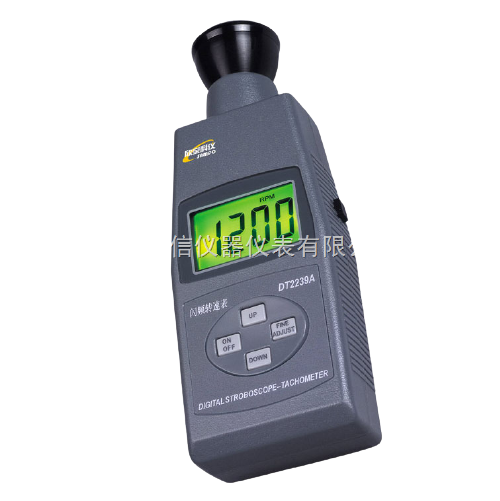
Why tachometer repair matters in routine measurement work
A tachometer is used to verify rotational speed measurement on motors, fans, shafts, rollers, and other moving components. When the instrument no longer reads correctly, even a small deviation can affect troubleshooting, preventive maintenance, or process verification. For B2B users, that can mean extra downtime, repeated inspections, or uncertainty when validating machine condition.
Repair service is especially relevant when the instrument still fits the application and operators are already familiar with its workflow. In many cases, restoring the existing unit is more efficient than requalifying a replacement device, particularly for service teams that rely on consistent toolsets across multiple sites.
Typical issues addressed by tachometer repair service
Repair needs can vary depending on how the tachometer is used and the environment in which it operates. Instruments used in field maintenance or factory settings may experience impact damage, sensor-related faults, worn controls, power issues, or degraded display visibility over time.
Common service cases often include unstable readings, failure to power on, poor response during measurement, damaged optical or contact sensing components, and general performance drift that makes the device difficult to trust in daily work. A proper repair process focuses on identifying the fault source and restoring the instrument to dependable operating condition where feasible.
For teams managing several types of electrical test tools, it can also be useful to review related services such as multimeter repair support or clamp meter repair as part of a broader maintenance plan.
Supported brands and service examples
This category includes repair options for a range of widely used instrument brands in technical and industrial environments. Examples include service support for FLUKE, HIOKI, TESTO, EXTECH, PCE, SANWA, Sauermann, TQCSheen, LUTRON, and Chauvin Arnoux instruments, depending on the specific unit and repair condition.
Representative service items in this category include Fluke Tachometer Repair Services, Hioki Tachometer Repair Services, Testo Tachometer Repair Services, Extech Tachometer Repair Services, PCE Tachometer Repair Services, and TQCSheen Tachometer Calibrator Repair Service. These examples help indicate the scope of supported requests, while the actual repair path depends on the device model, fault symptoms, and overall condition of the instrument.
How to choose the right repair option
When submitting a tachometer for service, it helps to start with the actual operating problem rather than only the product name. A clear description such as no display, inaccurate RPM reading, inconsistent laser detection, contact wheel issue, or battery terminal damage gives the service process a better starting point and can shorten evaluation time.
You should also consider how critical the instrument is to ongoing operations. If the tachometer is part of routine inspection work, selecting repair service early may prevent larger interruptions later. For organizations that maintain several diagnostic instruments, grouping service requests by equipment type can improve planning and reduce tool downtime across departments.
Where tachometer use overlaps with wider electrical maintenance tasks, related categories such as phase indicator repair service may also be relevant for teams servicing complete electrical test kits.
Repair service in the context of industrial maintenance
In many facilities, tachometers are not used in isolation. They support condition checks on rotating assets, verification of drive performance, and troubleshooting of mechanical or electrical systems. That makes reliable instrument performance important not only for one technician, but for the wider maintenance workflow.
A well-managed instrument repair process can help extend equipment life, preserve familiarity with existing devices, and maintain continuity in reporting or inspection routines. This is especially useful in B2B environments where approved tool lists, technician habits, and site procedures are already built around specific instrument families.
Users responsible for broader inspection equipment portfolios may also benefit from comparing adjacent service categories such as multifunction electrical installations meter repair when planning service coverage across multiple devices.
What to prepare before sending a tachometer for repair
To make the service process more efficient, it is helpful to provide the brand, exact model name if available, visible symptoms, and any recent events that may have affected the instrument, such as impact, storage issues, or unstable power conditions. A brief note on whether the problem is constant or intermittent can also support diagnosis.
If the tachometer is used in a specific application, such as fan speed checks, motor maintenance, or process line verification, mentioning that context may help clarify the expected operating behavior. This kind of practical information is often more useful than a generic statement that the unit is simply “not working.”
When repair is a practical choice
Repair is often worth considering when the instrument belongs to a recognized brand, remains suitable for the original task, and shows faults that appear localized rather than catastrophic. For many maintenance teams, restoring a familiar device can be more practical than sourcing a replacement, updating records, and adapting workflows around a new unit.
With support available for brands such as Chauvin Arnoux, FLUKE, HIOKI, TESTO, EXTECH, PCE, SANWA, Sauermann, TQCSheen, and LUTRON, this category provides a focused path for users who need dependable tachometer service rather than a generic repair request. If your instrument is showing performance issues, arranging a professional evaluation is often the first sensible step toward returning it to usable condition.
-
-
-
-
-
-
-
-
-
-
-
-
-
-
-
-
-
-
-
-
-
-
-
-