


Current transformer Repair Service
When a protection, metering, or energy monitoring system starts showing unstable readings, the problem is not always in the relay or meter itself. In many cases, the issue comes from the current transformer, where insulation aging, secondary circuit faults, overheating, or mechanical damage can affect measurement accuracy and system reliability. A professional Current transformer Repair Service helps restore performance, reduce downtime, and support safe operation in industrial electrical systems.
This service category is relevant for maintenance teams, panel builders, utilities, factories, and service contractors that rely on dependable current sensing in switchboards, distribution systems, and control applications. Whether the transformer is used for measurement, protection, or process monitoring, repair work should focus on fault diagnosis, electrical integrity, and suitability for continued operation after service.
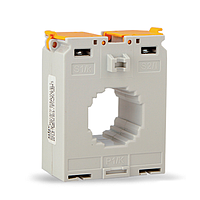
Why current transformer repair matters
A current transformer plays a critical role in stepping down current to a usable level for meters, relays, and monitoring devices. If the transformer becomes inaccurate or unstable, the entire measurement chain may be affected. That can lead to incorrect billing data, unreliable protection behavior, nuisance trips, or a loss of visibility into actual load conditions.
Repair service is often considered when a unit shows signs of heat stress, insulation weakness, broken terminals, degraded wiring, or abnormal output behavior. In industrial environments, these issues may appear after prolonged operation, switching events, vibration, contamination, or improper secondary handling. A structured repair process helps determine whether the transformer can be returned to service and under what conditions.
Typical issues found in current transformers
Current transformers are simple in function, but faults can develop in several areas over time. The most common problems include damage to insulation materials, loose or oxidized terminals, secondary open-circuit related stress, physical cracks in housing or core assembly, and degraded internal connections. Even small defects can influence accuracy or long-term stability.
In some cases, the transformer itself is not the only source of trouble. Wiring errors, poor installation practices, or faults elsewhere in the measurement loop can create symptoms that look like transformer failure. That is why an effective service approach should begin with fault verification rather than immediate replacement assumptions.
- Inconsistent current readings in metering or monitoring systems
- Signs of overheating, discoloration, or insulation deterioration
- Mechanical damage after transport, maintenance, or panel modifications
- Terminal or secondary connection problems affecting signal continuity
- Suspected performance drift in protection or measurement circuits
What a repair service typically involves
A current transformer repair workflow usually starts with visual inspection and condition assessment. This may include checking the housing, terminals, connection points, and signs of thermal or environmental stress. From there, technicians evaluate electrical behavior to identify whether the issue is related to continuity, insulation condition, or measurement response.
Depending on the defect, service work may involve restoring damaged connections, addressing insulation-related issues, reconditioning accessible components, and confirming that the unit can operate reliably within its intended application. For maintenance planning, the value of service lies not only in fixing an immediate fault, but also in identifying underlying causes that may affect similar equipment across the installation.
Where users operate broader electrical assets, related maintenance needs may also extend to services such as inverter repair or power thyristor controller repair, especially in systems where current monitoring and power control are closely linked.
Applications where reliability is especially important
Current transformers are widely used in switchgear, motor control centers, power distribution panels, protection circuits, and energy management systems. In these environments, accurate current conversion supports both equipment protection and operational decision-making. A faulty unit can affect preventive maintenance, load balancing, process visibility, and safety-related responses.
Repair service is particularly valuable in facilities where shutdowns are costly or replacement parts are not immediately available. Instead of treating every failed transformer as disposable, technical evaluation can help determine whether service is practical and whether the repaired unit is appropriate for continued use in a non-critical or original duty position.
SEW service context and example equipment
For users working with SEW equipment, service support may be relevant when a current transformer is part of a larger electrical or automation maintenance requirement. The listed example SEW Current transformer Repair service reflects this practical need for brand-related service coverage without limiting the discussion to a single model or installation type.
In real maintenance scenarios, brand context matters because service teams often need to consider compatibility with the surrounding panel, measurement architecture, and service history of the equipment. That is especially true when current transformers are integrated into OEM systems, packaged electrical assemblies, or monitored automation environments.
How to evaluate whether repair is the right option
Not every transformer fault should be approached in the same way. The decision to repair often depends on the condition of the core and insulation system, the severity of mechanical damage, the role of the unit in the installation, and the need for restored measurement confidence. In some cases, repair is a practical path to returning the system to operation; in others, replacement may be more appropriate after inspection.
For buyers and maintenance teams, it is useful to prepare basic information before requesting service: application type, observed symptoms, operating environment, and any prior electrical events such as overload, short circuit, or switching incidents. This helps speed up technical review and improves the quality of the diagnosis.
Related repair needs in electrical and automation systems
Current transformer faults often appear alongside broader issues in electrical control and monitoring infrastructure. A facility experiencing unstable measurements may also need to review connected devices, automation records, or brand-specific hardware in the same maintenance cycle. In those cases, adjacent services such as data logger repair for automation systems or SIEMENS equipment repair may also be relevant.
Looking at the system as a whole usually leads to better maintenance decisions than evaluating one component in isolation. It can also reduce repeat failures caused by installation issues, wiring faults, or upstream electrical stress that would otherwise remain unresolved.
Choosing a service category with the right technical focus
This category is intended for organizations that need a clearer path to diagnosing and restoring current transformer performance in industrial electrical environments. The main value of a specialized service is not simply component handling, but technical assessment of measurement integrity, electrical condition, and service suitability after repair.
If your application depends on stable current feedback for protection, metering, or automation, a structured repair process can help reduce uncertainty and support safer operation. For maintenance teams comparing repair options across electrical assets, this category provides a focused starting point for evaluating current sensing issues within a broader industrial service strategy.
-
-
-
-
-
-
-
-
-
-
-
-
-
-
-
-
-
-
-
-
-
-
-
-