


Current Generator Repair Service
Accurate current output is essential when a test system is used for commissioning, maintenance, calibration support, or electrical verification. When a source begins to drift, becomes unstable under load, or fails to deliver repeatable output, the issue affects more than one instrument—it can interrupt the reliability of an entire test workflow. A professional Current Generator Repair Service helps restore safe operation, output stability, and confidence in measurement results.
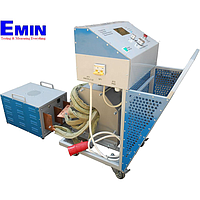
Why current generator repair matters in technical environments
Current generators are used in applications where controlled current injection is required for testing, simulation, troubleshooting, or verification. In industrial and laboratory settings, even small output errors can lead to incorrect conclusions during equipment checks, protection testing, or process validation. Repair work is therefore not only about making the unit power on again, but about recovering dependable performance.
Common service needs include unstable output, inaccurate current levels, intermittent operation, display or control faults, connection issues, overheating, or problems that appear only under load. In many cases, these symptoms gradually worsen over time, especially when equipment is used frequently in field service, production support, or demanding electrical maintenance routines.
Typical issues addressed during current generator service
A structured repair process usually starts with fault identification and operating checks. This helps determine whether the problem is related to the power stage, control circuitry, output regulation, user interface, internal connections, or aging components. For equipment that must produce controlled and repeatable output, diagnosis needs to go beyond basic functionality.
Service may also be relevant when the unit shows signs of drift, inconsistent setpoint response, poor load regulation, or abnormal behavior during longer test cycles. If the equipment is part of a broader electrical testing workflow, it is often useful to review associated devices as well, especially where several instruments are exposed to similar handling conditions or electrical stress.
What a repair service should help you evaluate
For B2B users, the value of repair depends on whether the unit can return to practical service with stable and predictable performance. That means looking at more than visible damage. A useful evaluation should consider output behavior, repeatability, control response, connector condition, internal wear, and the overall suitability of the device for continued use in its intended application.
Where required by the maintenance process, users may also need to assess whether the repaired equipment should be followed by verification or calibration within their own quality system. This is especially important in environments where traceability, documented maintenance, and equipment uptime are linked to compliance or production continuity.
When to send a current generator for repair
Repair should be considered when the instrument no longer reaches the commanded current, trips unexpectedly, behaves differently across ranges, or becomes unreliable during routine work. A unit that appears operational but produces inconsistent output can be more problematic than one that fails completely, because hidden faults may introduce uncertainty into every test performed with it.
It is also advisable to arrange service when the equipment has experienced electrical overload, transport shock, prolonged storage, contamination, or repeated use in harsh sites. Early repair often prevents secondary damage and may shorten downtime compared with waiting until the generator becomes fully unusable.
Repair service in the context of related electrical test equipment
Current generators are often used alongside other electrical test instruments in maintenance and diagnostic programs. If multiple devices in the same workflow are showing age-related issues or inconsistent behavior, reviewing related repair options can help standardize service planning and reduce disruptions across teams.
Depending on the application, you may also need support for equipment such as low resistance meter repair, withstand voltage tester service, or breaker testing equipment repair. For cable-related troubleshooting environments, cable fault tester repair may also be relevant.
How repair supports uptime and cost control
Replacing specialized electrical test equipment is not always the fastest or most cost-effective response to a fault. Repair can be a practical option when the instrument remains suitable for the application and the issue is concentrated in serviceable sections of the unit. For organizations managing maintenance budgets, lead times, and installed test procedures, restoring an existing device can reduce operational disruption.
A dependable repair path also helps maintenance managers and technical buyers extend the usable life of equipment already integrated into internal workflows. This is especially relevant when personnel are familiar with a particular interface or when procedures have been built around a specific type of current source.
Choosing the right service approach
The most effective repair support starts with a clear understanding of the fault symptoms, the application in which the generator is used, and the importance of output stability in the final task. Providing details such as abnormal behavior, recent overload events, duty cycle, and usage environment can help speed up diagnosis and improve the quality of the service outcome.
For technical teams, it is also useful to think in terms of the full equipment lifecycle: fault identification, repair, post-repair verification, and return to service within the company’s maintenance process. This approach supports more consistent decision-making than treating each equipment failure as an isolated event.
Support for reliable return to service
When a current generator is central to testing accuracy or operational continuity, repair quality matters as much as repair speed. The goal is not only to restore basic operation, but to return the unit to a condition that supports dependable use in real working conditions. That is why a focused repair service is valuable for organizations that rely on controlled current output in electrical testing environments.
If your equipment is showing unstable performance, output errors, or intermittent faults, a dedicated current generator service path can help determine the cause, restore functionality, and support safer, more consistent use. For teams managing multiple electrical instruments, aligning repairs across related devices can also improve long-term equipment reliability and maintenance planning.
-
-
-
-
-
-
-
-
-
-
-
-
-
-
-
-
-
-
-
-
-
-
-
-