


Food Machinery Repair Service
When processing lines slow down, product quality becomes inconsistent, or unexpected downtime interrupts production schedules, a responsive maintenance partner becomes essential. In food manufacturing environments, repair work needs to do more than restore movement—it must support stable operation, hygienic processing, and dependable performance across critical equipment.
Food Machinery Repair Service is designed for businesses that need practical support for diagnosing faults, restoring equipment function, and extending the usable life of production assets. Whether the issue involves mechanical wear, drive problems, control faults, or unstable operation under load, timely repair helps reduce disruption and supports safer, more predictable output.
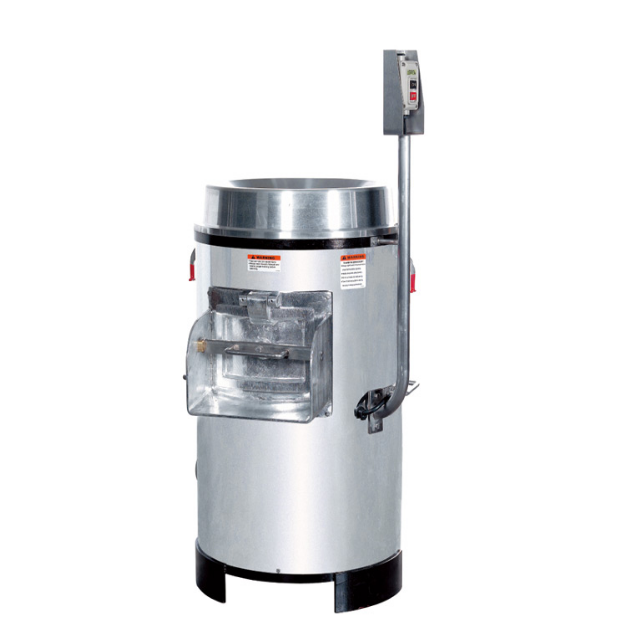
Why repair support matters in food processing operations
Food production equipment often operates under demanding conditions, including repetitive cycles, washdown exposure, variable loads, and strict production timing. Even a minor fault can affect throughput, product consistency, or line coordination, especially when upstream and downstream machines depend on synchronized operation.
A structured repair service helps identify the root cause of failure rather than only addressing visible symptoms. This is important for reducing repeat breakdowns, planning maintenance more effectively, and protecting related components from additional damage. In facilities where uptime and process stability directly affect delivery performance, targeted repair work is a practical part of asset management.
Typical equipment issues addressed by food machinery repair
Repair requirements in this category can vary widely depending on the type of machine and the production process. Common problems include abnormal vibration, worn transmission parts, overheating motors, sensor or switch failures, damaged seals, inconsistent motion, control interruptions, and reduced output accuracy.
In many cases, the failure is not limited to a single part. Mechanical, electrical, and control-related issues can influence one another, which is why troubleshooting usually needs a broader inspection of the machine condition. A good repair process focuses on restoring reliable machine performance while checking whether surrounding assemblies have also been affected.
What a repair service may include
Food machinery repair work typically begins with fault assessment and condition checking. This may involve reviewing machine symptoms, inspecting worn or damaged parts, checking drive and motion behavior, verifying electrical connections, and confirming whether controls are responding correctly during operation.
Once the cause of the issue is understood, repair may include component replacement, mechanical adjustment, alignment correction, restoration of moving assemblies, or corrective work on electrical and control sections. Depending on the equipment type, service can also support restart verification and operational checks so the machine can return to production with greater confidence.
For plants operating multiple types of production equipment, repair planning may also be coordinated alongside related industrial services such as cutting machine repair support when processing lines include auxiliary fabrication or preparation stages.
Key factors when choosing a food machinery repair service
Not every repair requirement is the same. Some businesses need urgent recovery for a production-critical machine, while others need planned intervention to correct recurring faults before they become more serious. The most useful service is one that matches the machine condition, the process environment, and the operational urgency.
When comparing options, it helps to look at the service approach to diagnosis, the ability to work with industrial machinery in demanding environments, and the practicality of the repair scope. Clear communication about the problem, likely causes, and recommended corrective action is often just as important as the physical repair itself. For equipment used in regulated production settings, attention to operational stability and maintainability is especially valuable.
Repair considerations in hygienic and production-sensitive environments
Food manufacturing equipment is different from many general industrial machines because repair decisions can affect cleaning procedures, production flow, and product handling conditions. Components exposed to moisture, product residue, heat, or repeated sanitation cycles may degrade differently from parts used in dry or lower-cycle environments.
That is why repair work should consider not only whether the machine runs again, but also whether it runs consistently in its actual operating context. Proper restoration can help reduce recurring stoppages, avoid avoidable stress on motors and moving parts, and support more consistent line behavior over time. In facilities with forming or pressing stations, related services such as hydraulic equipment repair may also be relevant depending on the broader production setup.
Supporting longer equipment life and better maintenance planning
Repair should not be viewed only as an emergency response. In many facilities, it also provides useful insight into wear patterns, repeated failure points, and machine weaknesses that may otherwise go unnoticed. This information can improve preventive maintenance schedules and help maintenance teams prioritize future interventions more effectively.
Over time, a consistent repair strategy can help reduce unplanned stoppages, stabilize maintenance costs, and improve confidence in older but still valuable machinery. For mixed machine fleets, it may also be useful to review related service categories such as mechanical power presser repair or shear machine repair where similar mechanical service needs exist across production departments.
When to request service
Early signs of machine trouble often appear before a full breakdown occurs. Slower cycle times, unusual noise, repeated trips, unstable movement, rising temperature, or visible wear around critical assemblies can all indicate that corrective action is needed. Responding early may reduce collateral damage and shorten total downtime.
If a machine is already showing inconsistent performance, waiting for complete failure can increase repair complexity and affect production planning. A timely service review helps determine whether the issue is isolated, progressive, or linked to a broader maintenance problem within the system.
Practical repair support for food production equipment
Choosing the right repair approach is ultimately about keeping production practical, stable, and easier to manage. A well-executed repair service helps restore machine function, address underlying issues, and support more dependable performance in daily operation.
For businesses running food processing and packaging lines, professional repair support can play an important role in reducing downtime risk and preserving the value of existing equipment. If your operation depends on machinery that must perform consistently under production pressure, this category provides a focused starting point for evaluating suitable repair service options.
-
-
-
-
-
-
-
-
-
-
-
-
-
-
-
-
-
-
-
-
-
-
-
-