


Shear Machine
In fabrication, sample preparation, and material testing workflows, clean and repeatable cutting is often just as important as the measurement or forming step that follows. Equipment in the Shear Machine category is used where controlled shearing action is needed to separate, trim, or prepare material with consistent force and motion, helping operators improve process stability and reduce manual variation.
For B2B buyers, this category is relevant when a production line, lab, or workshop needs a machine-based shearing process rather than improvised manual cutting. Depending on the application, selection typically depends on material behavior, required torque, operating speed, repeatability, and how the machine fits into the wider industrial workflow.
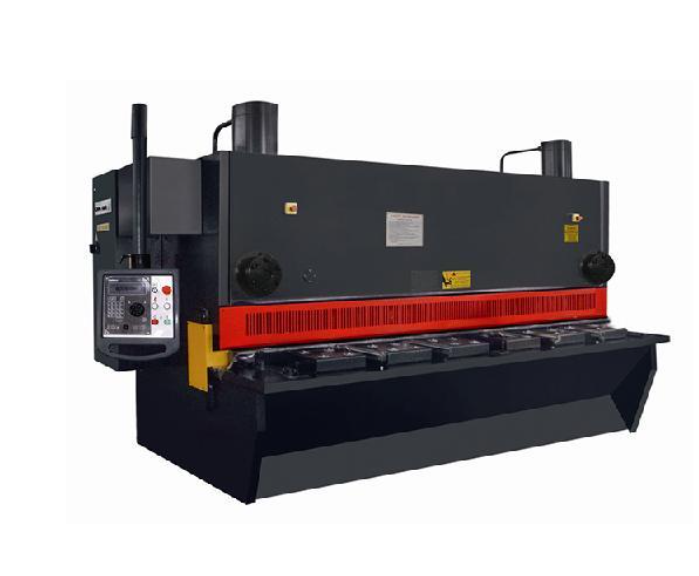
Where shear machines are used in industrial environments
Shearing equipment appears in a wide range of industrial settings because many processes begin with accurate material separation or specimen preparation. In practical terms, a shear machine may support testing procedures, batch preparation, workshop operations, or a dedicated machine station where a defined cutting action is required.
In some setups, the shearing step is only one part of a larger processing chain. For example, upstream utilities such as compressed air treatment equipment may support pneumatic systems elsewhere in the plant, while downstream thermal packaging or finishing can involve a heat shrinking machine. This broader context matters because machine selection is often influenced by the total process, not by the cutting task alone.
What to consider when selecting a shear machine
The most important starting point is the material and cutting requirement. Buyers usually need to define whether the task involves sheet-like materials, test samples, cross plates, or another workpiece geometry that requires a specific shearing motion. From there, machine torque, speed range, drive type, and operator control become the key decision points.
It is also useful to think about the operating environment and duty pattern. A machine used occasionally in a laboratory has very different priorities from one installed for repetitive shop-floor use. Power availability, installation space, expected throughput, and the need for adjustable motion all influence whether a given model will fit the process reliably over time.
Representative equipment in this category
A notable example in this category is the Samyon DHNS Type Electric Cross Plate Shearing Device. Based on the available product data, this model is designed around an electric drive with adjustable shearing rate, defined torque capability, and controlled motor speed, making it relevant for applications that need a repeatable cross-plate shearing operation rather than purely manual handling.
From a buyer’s perspective, features such as adjustable shearing rate and specified torque are especially useful because they help align the machine with the material response and the desired cut quality. Electrical input requirements, motor characteristics, and environmental operating conditions are also practical considerations during installation planning, especially for facilities that need dependable operation across changing workshop conditions.
The role of Samyon in this category
Among the manufacturers featured here, Samyon stands out as a relevant reference point for electrically driven shearing equipment in this category. For buyers comparing options, a manufacturer page can be helpful for reviewing related products, understanding the broader equipment range, and checking whether the brand’s approach fits the application and maintenance expectations of the site.
When evaluating a brand, it is usually worth looking beyond the basic model name. Consider how clearly the machine’s operating parameters are presented, whether the motion is adjustable, and how well the equipment aligns with your process controls, operator workflow, and required consistency in cutting or sample preparation.
How shear machines fit into a complete processing line
A shear machine rarely operates in isolation. In industrial environments, it may be part of a broader preparation, handling, cooling, or post-processing sequence. For instance, when process temperature must be managed around nearby equipment, an industrial water cooler or chiller may be relevant elsewhere in the system to support stable operating conditions.
This systems view is helpful during procurement because it reduces the risk of choosing equipment based only on one headline specification. A more effective approach is to match the shearing mechanism to the full process: material infeed, operator interaction, cut repeatability, utility requirements, and the next step after shearing. That is often where the real value of the machine becomes clear.
Practical evaluation points before purchase
Before ordering, buyers should confirm a few operational basics: the intended workpiece type, the required cutting force, acceptable cycle speed, available power supply, and how often the machine will be used. It is also worth reviewing machine weight and installation conditions, especially when the equipment must be placed on benches, integrated into workstations, or moved between test and production areas.
Another useful checkpoint is process repeatability. In many technical environments, the goal is not simply to cut material, but to do so with stable and predictable results. That is why adjustable speed, controlled drive behavior, and suitability for the operating environment can be more important than choosing a machine based on a broad category label alone.
Choosing the right category for your application
If your requirement centers on controlled shearing action for material preparation or related industrial tasks, this category provides a focused starting point. It is particularly relevant for teams that need more consistency than manual methods can offer and want equipment with clearer operating parameters for industrial use.
As you compare available options, focus on the real process need: workpiece type, required force, adjustment needs, and how the machine fits the surrounding workflow. A well-matched shear machine can improve handling consistency, support more repeatable operations, and integrate more effectively into the wider industrial system.
-
-
-
-
-
-
-
-
-
-
-
-
-
-
-
-
-
-
-
-
-
-
-
-