


Oxygen permeation system
Controlling oxygen ingress is a critical step in packaging validation, shelf-life studies, and product quality assurance. In many industrial and laboratory environments, even a small amount of oxygen transfer can affect food and beverage stability, pharmaceutical packaging performance, or the integrity of sealed containers. That is why an oxygen permeation system is often used alongside related leak and gas analysis tools to understand how oxygen enters a package, headspace, or barrier material over time.
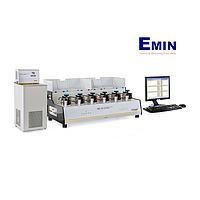
Where oxygen permeation testing fits in quality control
Oxygen transmission and residual oxygen measurement are closely connected, but they do not answer exactly the same question. A permeation-focused setup helps evaluate how oxygen moves through a barrier, while package oxygen analysis and airtightness checks help verify whether a finished pack is performing as expected in real production conditions.
For companies working with flexible packaging, bottles, closures, or modified atmosphere packaging, this category supports a broader testing workflow. It is also naturally related to water vapor transmission rate test systems, since oxygen and moisture barrier performance are often assessed together when selecting materials for shelf-life protection.
Typical applications for oxygen permeation systems
These systems are commonly used when a product is sensitive to oxidation, flavor loss, color change, or degradation caused by air exposure. Packaging developers, QC laboratories, and R&D teams may use oxygen-related test equipment to compare films, validate seal quality, and study how packaging behavior changes under realistic conditions.
Industries that frequently rely on this type of testing include food and beverage, pharmaceutical packaging, medical packaging, and specialty materials. In these settings, the goal is not only to generate a number, but to support decisions on barrier structure, closure performance, filling conditions, and long-term storage risk.
Representative instruments in this category ecosystem
Several products in this area illustrate how oxygen measurement and package verification work together. The Anton Paar TPO 5000 is designed for total package oxygen analysis, helping users evaluate dissolved oxygen and headspace oxygen within packaged products. This kind of instrument is particularly relevant in beverage and liquid product applications where oxygen pickup can directly affect quality and shelf life.
For package integrity checks, Roxer equipment such as the UNIROX and DECAROX airtightness checking machines provide a different but complementary function. Rather than measuring barrier transmission through a material itself, they help assess whether a package remains properly sealed, which is essential when unexpected oxygen ingress may be caused by leaks rather than material permeability alone.
In laboratory workflows that involve oxygen sensing modules and replacement components, the Lovibond 2444470 Sensor Head, Oxygen Module shows the supporting side of the ecosystem. Accessories like this matter because reliable oxygen-related testing depends not only on the main instrument, but also on the quality and condition of its sensing elements.
How to choose the right solution
Selecting the right equipment depends first on what you need to learn from the test. If the objective is to understand barrier performance, the focus should be on oxygen transfer through the packaging material or structure. If the objective is to investigate oxygen inside a finished pack, a package oxygen analyzer may be more appropriate. If sealing defects are the concern, airtightness testing can be the better starting point.
It is also useful to consider the sample format, expected oxygen range, required throughput, and how the system will fit into your workflow. Some laboratories need detailed analytical data for development work, while production teams may prioritize repeatability, ease of operation, and routine quality checks.
Why oxygen analysis often needs more than one test method
In practice, oxygen-related quality issues rarely come from a single cause. A package may use a high-barrier material but still show elevated oxygen because of poor sealing, trapped headspace oxygen, or process variation during filling. For that reason, many users combine permeation testing with package oxygen measurement and leak detection to build a clearer picture of packaging performance.
This is also why it can be helpful to review adjacent categories such as gas cylinder test and maintenance equipment when your test setup depends on controlled gas supply, or to compare solutions from specialized manufacturers such as Roxer when package tightness verification is part of the same validation process.
Key evaluation points for B2B buyers
When comparing systems for industrial or laboratory use, buyers typically look beyond the headline measurement capability. Important considerations include interface options, data handling, operating environment, maintenance requirements, and compatibility with the types of samples tested in-house. These practical details influence how easily a system can be integrated into daily QC or R&D work.
It is also worth checking whether the testing objective involves routine release testing, method development, or troubleshooting. A compact device used for seal verification may suit one workflow, while a more analytical platform for dissolved and headspace oxygen may be needed for deeper investigation and process optimization.
Supporting a broader packaging and materials testing strategy
Oxygen permeation testing becomes most valuable when it is treated as part of a complete packaging evaluation strategy rather than an isolated measurement. Material barrier performance, package integrity, gas content, and environmental exposure all influence final product stability. Looking at these factors together helps teams make more confident decisions during design, qualification, and ongoing quality control.
Whether the priority is barrier comparison, package oxygen analysis, or airtightness verification, this category brings together tools that support a more informed approach to oxygen management. By choosing equipment that matches the actual failure mode or quality question, buyers can improve test relevance and build a more reliable packaging validation workflow.
-
-
-
-
-
-
-
-
-
-
-
-
-
-
-
-
-
-
-
-
-
-
-
-