


Industrial Pressure Sensors
Reliable pressure feedback is essential in automated production, fluid control, pneumatic systems, and machine safety. When a process depends on stable gas, liquid, or oil pressure, selecting the right Industrial Pressure Sensors helps improve monitoring accuracy, switching performance, and day-to-day equipment reliability.
This category focuses on pressure sensing devices used in industrial environments where practical installation, repeatable output, and compatibility with control systems matter. Whether you are building a new machine or replacing an installed unit, the goal is usually the same: match the sensing range, media compatibility, port type, and electrical interface to the actual operating conditions.
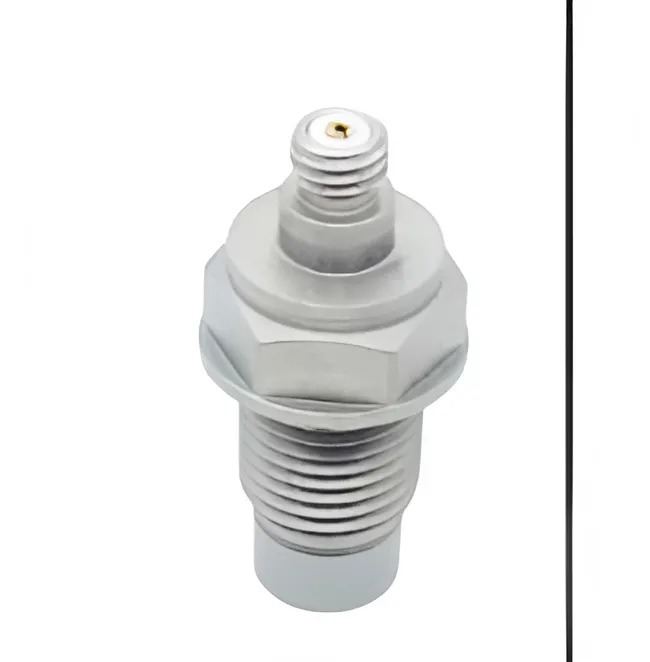
Where industrial pressure sensors are commonly used
In factory automation, pressure sensors are often integrated into pneumatic circuits, hydraulic support systems, coolant lines, lubrication systems, and general-purpose fluid handling equipment. They provide a measurable signal or switching output so controllers and operators can detect pressure rise, pressure loss, or abnormal operating conditions before they affect production.
These devices are also widely used in systems that require compact installation and local indication. For example, digital-style units can support machine builders who need fast setup, simple status checking, and signal output for PLCs or other control hardware. If you need a broader view of related product options, you can also explore industrial pressure sensing solutions across this category.
What to look for when choosing a sensor
The first consideration is the pressure range. A sensor should be selected for the real operating window of the application, not just the theoretical maximum. Choosing an inappropriate range can reduce usable resolution or expose the device to conditions outside its intended operating point.
The second key factor is media compatibility. In this category, some examples are intended for gas, liquid, and oil applications, which is important for mixed industrial use. Connection style also matters in practice, with port formats such as R1/8, Rc1/8, and 7/16-18UNF appearing across representative models. Matching the existing piping or manifold arrangement can reduce installation time and avoid unnecessary adapters.
Electrical requirements are equally important. Typical users will review supply voltage, output type, and control input options before ordering. For applications involving discrete control, an open-collector output can be suitable for integration with standard automation panels.
Typical configurations in this category
This selection includes compact pressure sensors from Autonics, with models that reflect different connection formats and application preferences. The PSAN series is a useful example of how industrial pressure sensing is often offered in multiple variants so machine designers can choose a familiar mechanical port while keeping a similar control concept across the equipment platform.
For instance, the Autonics PSAN-B1H-R1/8 pressure sensor is a representative digital-format model with a square display form factor, plug connection, and a gauge pressure range up to 1000 kPa according to the provided data. It is also described for use with gas, liquid, and oil, making it relevant for general industrial setups where compact indication and switching output are needed.
Other listed models such as Autonics PSAN-C1CPA-R1/8, PSAN-C1CPA-Rc1/8, PSAN-C1CPH-NCPT1/8, and PSAN-L1CV-7/16-18UNF illustrate how a product family can vary mainly by process connection and configuration while still addressing similar sensing tasks. This is useful for OEMs and maintenance teams that want consistency across machine variants.
Why connection type and mounting details matter
In many projects, specification matching goes beyond pressure range alone. A sensor that fits the wrong thread standard or requires a different cable approach can complicate assembly, maintenance, and spare-part planning. That is why connection details such as R1/8, Rc1/8, or NPT-related formats should be checked early in the selection process.
Accessory ecosystem can also affect usability. The provided product data for one representative model references optional items such as a connector cable, device bracket, and front protective cover. These supporting parts may not be the main product decision point, but they can make a noticeable difference in panel layout, wiring convenience, and front-face protection in busy industrial environments.
Integration with control and automation systems
A good industrial pressure sensor should fit naturally into the wider automation architecture. In practice, this means considering how the device will interact with PLC inputs, alarm logic, HMI monitoring, or machine interlocks. Features such as control outputs and control inputs can support functions like threshold monitoring, signal holding, or operating mode adjustments depending on the application design.
For users comparing technologies across a broader sensing project, it may also be helpful to review related device families from manufacturers such as Endress+Hauser or Banner Engineering when aligning instrumentation choices with plant standards, control philosophy, or procurement preferences. The right sensor is rarely chosen in isolation; it is usually part of a larger measurement and control workflow.
How to compare models efficiently
When several models look similar, a structured comparison process saves time. Start with the process side: medium, pressure type, operating range, and connection port. Then move to the electrical side: supply voltage, output format, connector style, and any needed input functions. This approach usually eliminates unsuitable options quickly without overcomplicating the decision.
It is also helpful to separate standard machine-building needs from replacement needs. For a new design, consistency across the machine platform may be the priority. For maintenance replacement, matching the installed thread, wiring method, and output behavior often matters more than adopting a newer format. In both cases, focusing on the actual application conditions leads to better long-term performance than choosing by part name alone.
Suitable buyers and application scenarios
This category is relevant for machine builders, panel integrators, maintenance engineers, MRO buyers, and industrial procurement teams. Typical projects include pneumatic control panels, compact process skids, packaging machinery, fluid transfer systems, and general automation equipment where pressure state must be monitored continuously or used for switching logic.
If your requirement involves a rugged sensor for routine industrial duty, the available Autonics PSAN variants provide a practical reference point for compact, installable pressure monitoring. The best choice will depend on how the sensor is mounted, what media it contacts, and how its output is used inside the control system.
Final considerations before ordering
Before finalizing a part, confirm the pressure type, pressure range, process connection, electrical interface, and installation constraints of the target system. Even within the same product family, small differences in port standard or configuration can determine whether a sensor is a direct fit or requires rework.
With the right selection process, industrial pressure sensors can support more stable operation, clearer diagnostics, and smoother integration into automated equipment. Reviewing representative options such as the listed Autonics PSAN models is a practical way to narrow down suitable choices for your application while keeping long-term maintenance and system compatibility in mind.
-
-
-
-
-
-
-
-
-
-
-
-
-
-
-
-
-
-
-
-
-
-
-
-