


G-Type Temperature Sensor
When temperature measurement moves into extreme heat, standard sensor materials are often no longer suitable. In high-temperature furnaces, research setups, metallurgy, and specialized thermal processing, engineers typically need sensor technologies that remain stable where common thermocouple types reach their limits. That is where G-Type Temperature Sensor solutions become relevant.
This category is intended for applications that call for tungsten-rhenium thermocouple technology, especially where very high process temperatures and demanding measurement conditions are part of normal operation. Rather than focusing only on part numbers, it helps to look at where this sensor type fits, how it is used, and what to consider before selecting wire, assemblies, or related components.
Where G-type temperature sensing is typically used
G-type thermocouples are associated with high-temperature measurement environments where conventional base-metal thermocouples may not provide the required operating range. They are often considered for laboratory thermal systems, vacuum furnaces, materials testing, and other processes involving elevated heat and specialized atmospheres.
Because this category sits within a broader temperature sensing ecosystem, users comparing sensor families may also review alternatives such as C-type temperature sensors or D-type temperature sensors depending on the application temperature, environment, and installation method. Selection usually depends on more than maximum temperature alone.
Material system and measurement characteristics
A key reason engineers choose this category is the use of tungsten-rhenium alloys, which are suitable for very high-temperature thermocouple construction. In practice, these materials are selected for measurement tasks where heat resistance is critical and where the sensor must maintain usable thermoelectric behavior in demanding conditions.
At the same time, material compatibility remains important. High-temperature thermocouple performance can be influenced by atmosphere, contamination, mechanical stress, insulation approach, and wire gauge. For that reason, sensor selection should consider not only nominal temperature capability but also the real process environment, expected service life, and how the sensor will be installed or replaced.
What to evaluate when choosing a G-type sensor
The most useful starting point is the actual process range. A G-type solution is generally considered when the application regularly operates at temperatures far above the range of more common industrial sensors. Beyond that, buyers should review whether they need loose wire, a probe-style assembly, or a configurable sensing setup integrated into a larger measurement chain.
Other practical factors include conductor format, junction design, exposed versus protected installation, and whether the application needs matched wire pairs for sensor fabrication or repair. If the installation involves vessel surfaces or process hardware, mounting accessories and sensor integration details may matter as much as the sensing element itself. In some cases, users may also explore related accessories such as pipe and tank mounting components for a more complete installation approach.
Example product in this category
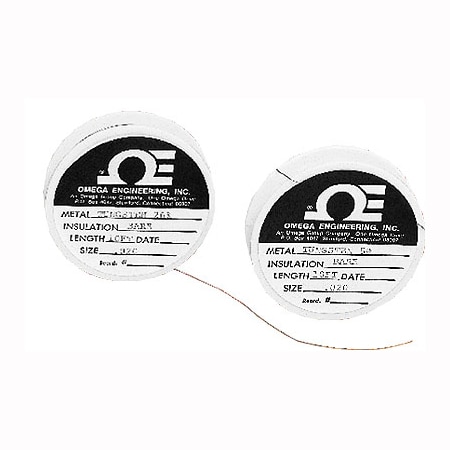
One representative item is the OMEGA WW26-010 Tungsten-Rhenium Fine Diameter Bare Thermocouple Wire, which is intended for thermocouple use and supports very high process temperatures. Based on the provided data, it is a matched solid wire pair in 30 AWG format, built with tungsten-5% rhenium and tungsten-26% rhenium conductors.
This kind of product is especially relevant when users need raw thermocouple wire for sensor construction, replacement, or experimental setups rather than a finished probe assembly. Fine-diameter wire can support specialized measurement builds, but the right choice still depends on handling requirements, sensor design, and the physical conditions of the process.
Brand context and product ecosystem
OMEGA is one of the recognized names associated with temperature measurement components and thermocouple-related products. In a category like this, the value is not only the sensor wire itself but also the broader ecosystem of instrumentation, connection hardware, and application-specific temperature sensing solutions that may be needed around it.
For buyers working across multiple thermal processes, it can also be useful to compare this category with adjacent options such as other temperature sensor types when the application is unusual or does not map neatly to one standard thermocouple family. That broader view often helps narrow down the most practical and maintainable sensing strategy.
Application considerations in demanding environments
High-temperature measurement is rarely just about reaching a target number on a datasheet. The real challenge is preserving signal quality and sensor integrity under heat, thermal cycling, mechanical vibration, and process-specific exposure conditions. Even when a G-type sensor is technically suitable, surrounding factors such as protection tubes, connection methods, and calibration practices can influence results.
For this reason, buyers typically benefit from defining the operating atmosphere, installation geometry, expected maintenance interval, and acceptable response behavior before ordering. A more precise requirements list makes it easier to choose between bare wire, finished sensor assemblies, and complementary hardware without over-specifying or under-specifying the solution.
Finding the right fit for your process
This category is most relevant for users who need a thermocouple solution for very high temperatures and who understand the importance of material selection in extreme thermal environments. G-type sensors and related tungsten-rhenium wire products are typically chosen for specialized applications rather than general-purpose temperature measurement.
If you are comparing options, focus on process temperature, atmosphere, sensor construction method, and installation constraints first. That approach will make it easier to identify whether a G-type temperature sensor is the right fit, or whether another high-temperature sensor category may better match the requirements of your system.
-
-
-
-
-
-
-
-
-
-
-
-
-
-
-
-
-
-
-
-
-
-
-
-