


Audio Amplifier (Video)
Clear, stable sound distribution is essential in video production rooms, monitoring environments, presentation systems, and integrated AV installations. When the signal path includes multiple sources, external speakers, or monitoring points, the amplifier becomes a practical control point for driving audio at the right level without compromising consistency across the system.
Audio Amplifier (Video) products in this category are typically used as part of a broader video and audio workflow, where dependable amplification supports monitoring, playback, and signal delivery. Whether the setup is built for broadcast support, control room use, public presentation, or equipment integration, choosing the right amplifier helps balance output power, connectivity, installation format, and daily operating requirements.
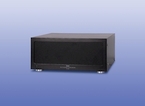
Where audio amplifiers fit in video-related systems
In many video environments, sound is not treated as a standalone function. It has to work alongside displays, switching systems, source devices, monitoring stations, and sometimes distributed speaker zones. An amplifier supports that chain by increasing the audio signal to a level suitable for speakers or other output devices while helping the system maintain intelligibility and control.
This is especially relevant in applications such as editing suites, control rooms, meeting spaces, training rooms, digital signage installations, and integrated AV racks. In these contexts, the amplifier is often selected not only for output capability, but also for how well it fits the broader signal architecture and the expected duty cycle of the installation.
Common applications and operating needs
Different environments place different demands on amplification. A compact installation may need a straightforward unit for localized speaker output, while a larger system may require a more structured approach to zone-based distribution, rack integration, or continuous operation. That is why buyers often evaluate amplifiers in terms of both electrical performance and practical deployment.
In video-related systems, common priorities include stable output, low-noise operation, simple integration with upstream equipment, and predictable performance over time. In many projects, the amplifier is only one part of a larger workflow that may also involve monitoring devices, decoding equipment, or dedicated speaker solutions such as audio monitors for video systems.
Key factors when selecting an amplifier
A suitable amplifier should match the intended speaker load, installation scale, and operating environment. Output level, channel configuration, impedance compatibility, mounting style, and interface type all affect whether a unit is appropriate for the project. Even when two products appear similar at a high level, their usefulness can differ significantly depending on how the system is wired and how the sound needs to be delivered.
It is also important to consider thermal behavior, ventilation space, and expected runtime, especially in enclosed racks or always-on installations. For integrators and technical buyers, the right decision often comes from reviewing the complete signal path rather than comparing amplifier specifications in isolation.
Integration with the wider AV signal chain
Amplification works best when it is planned together with the rest of the equipment ecosystem. Source devices, video processors, decoders, control interfaces, and speaker endpoints should be considered as a connected system rather than separate purchases. In practical deployments, this reduces mismatches in signal level, unnecessary complexity, and troubleshooting time during commissioning.
For example, systems that receive audio from networked or processed video sources may also involve a video decoder before amplification and final playback. In audience-facing or specialized seating environments, the output stage may also be paired with solutions such as a chair style speaker where localized sound delivery is part of the installation design.
Installation considerations for professional environments
Professional buyers often look beyond basic functionality and focus on how easily an amplifier can be installed, maintained, and scaled. Rack space, cable management, front and rear access, labeling, and serviceability all matter in commercial and technical deployments. These details can have a direct effect on installation time and long-term reliability.
System compatibility is another critical point. The amplifier should align with speaker requirements, source output conditions, and any site-specific constraints such as limited ventilation, distributed layouts, or centralized equipment rooms. In projects where multiple sound control stages are used, it may also make sense to review related audio amplifier options for video applications across the category to compare installation formats and intended use cases.
How to compare products in this category
When evaluating available models, it helps to start with the practical role of the amplifier in the system. Is it intended for local monitoring, presentation audio, distributed speaker drive, or integration into a larger control setup? Once that role is clear, technical filtering becomes easier and more meaningful.
Useful comparison points include power matching, channel needs, physical form factor, connection type, and suitability for continuous professional use. Buyers should also think about future expansion. An amplifier that meets current needs but leaves no flexibility for changes in room layout, speaker count, or source routing may create unnecessary limitations later.
Choosing with long-term system performance in mind
In B2B and technical procurement, the amplifier is rarely an isolated purchase. It is part of a broader objective: reliable audio performance within a structured video or AV environment. That makes selection criteria more practical than promotional, with emphasis on fit, integration, maintainability, and consistency under real operating conditions.
This category is intended to support that evaluation process by helping buyers narrow down audio amplification solutions appropriate for video-related systems. If your project also involves monitoring, decoding, or speaker output equipment, reviewing adjacent categories can help define a more complete and efficient signal chain before final selection.
A well-matched amplifier helps the rest of the system perform as intended, from source playback to final sound delivery. By focusing on application needs, installation constraints, and compatibility with surrounding equipment, it becomes much easier to identify the right option for a professional video and AV setup.
-
-
-
-
-
-
-
-
-
-
-
-
-
-
-
-
-
-
-
-
-
-
-
-