


Viewfinder (Video)
When accurate framing, focus confirmation, and exposure judgment matter, the monitoring device attached to a camera can have a direct impact on production quality and operator efficiency. In broadcast, studio, field, and specialized imaging workflows, a reliable Viewfinder (Video) helps camera operators work with more confidence in changing light, fast motion, and tightly controlled compositions.
On this category page, you can explore video viewfinder solutions used as part of a broader camera and image-monitoring setup. Whether the application involves live production, recording, inspection, or advanced video handling, choosing the right viewfinder is less about appearance and more about compatibility, visibility, ergonomics, and how well it supports the operator in real working conditions.
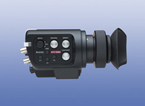
Why a video viewfinder still matters in professional workflows
Even with larger external monitors available in many systems, a video viewfinder remains important because it gives the operator a dedicated and immediate visual reference. In handheld, shoulder-mounted, or space-constrained installations, it can provide faster confirmation of framing and focus than a separate display placed farther from the camera body.
Viewfinders are also useful when ambient light makes open-screen viewing difficult. In these situations, an enclosed or more directly viewed display can help reduce distraction and improve visibility, which is especially valuable during precise camera alignment or repeated capture tasks.
Typical applications for viewfinder systems
This category is relevant to environments where image monitoring needs to be close to the camera operator. Common examples include broadcast acquisition, studio camera chains, live event production, mobile production units, and specialized technical imaging setups where the operator must react quickly to scene changes.
In some workflows, the viewfinder is only one part of a larger video signal path. Teams may combine it with devices for storage, transport, or image processing depending on the system architecture. For example, projects that also involve signal capture and playback may benefit from browsing related video recorder options when planning the full setup.
What to consider when selecting a Viewfinder (Video)
The first point to check is system compatibility. A viewfinder should fit the intended camera platform, connector format, mounting method, and operational workflow. In technical and industrial buying, this matters as much as display quality, because an otherwise capable unit may not integrate efficiently with the existing camera chain.
The second key area is usability. Consider how the operator will use the equipment during long shifts, in motion, or in controlled production environments. Visibility, viewing angle, physical adjustment, and ease of quick confirmation all affect practical performance. If the wider application includes emerging ultra-high-resolution capture, it may also be useful to review adjacent technologies such as 8K camera systems to ensure the monitoring approach fits the broader imaging objective.
Integration within a broader video equipment ecosystem
A viewfinder is rarely chosen in isolation. It often sits within a complete image acquisition and monitoring chain that may include cameras, signal conversion hardware, recording devices, transfer interfaces, and analysis tools. Looking at the category in that broader context helps buyers avoid mismatched components and supports more consistent system performance.
For workflows involving image distribution between devices, routing and conversion may be just as important as operator monitoring. In those cases, related equipment such as a video transfer box can be part of the same procurement discussion, especially where signal handling between camera, control, and recording points must remain stable and organized.
Operational priorities in studio, field, and technical environments
In studio environments, the emphasis is often on repeatability, operator comfort, and dependable integration with established camera systems. A good viewfinder setup should support clear communication between the operator and the rest of the production chain while helping maintain precise framing over extended sessions.
In field use, priorities can shift toward mobility, quick setup, and dependable viewing under less predictable conditions. In technical or analytical environments, the concern may be less about creative monitoring and more about consistent visual confirmation during test, inspection, or controlled acquisition processes. That difference in use case often determines whether buyers prioritize portability, viewing clarity, or system-level interoperability.
Related equipment categories that may support the same workflow
Some buyers arrive at this page while evaluating an entire imaging or video analysis system rather than a single component. If the workflow involves image buffering, processing, or specialized display preparation, related categories may provide useful context. For instance, applications tied to image handling and temporary storage can overlap with solutions in frame memory board equipment.
That said, the right category path depends on the actual requirement. A camera operator focused on real-time image confirmation will usually assess viewfinder suitability differently from an engineering team building a broader signal-processing chain. Understanding that distinction helps narrow the selection more efficiently.
Choosing with long-term usability in mind
For B2B procurement, a practical choice is usually one that matches both current operation and future maintenance needs. It is worth considering how the viewfinder will be deployed across teams, whether it needs to support standardized camera platforms, and how easily it can be incorporated into existing procedures for setup, operation, and replacement.
Rather than selecting purely by general product type, it is better to evaluate the device according to the real production environment: operator position, camera movement, available space, viewing conditions, and the rest of the connected equipment. This approach leads to a more reliable fit and reduces avoidable integration issues later.
Final thoughts
A well-matched video viewfinder supports faster visual confirmation, smoother camera operation, and better workflow consistency across professional imaging environments. If you are comparing options in this category, focus on how the unit will function within the complete video chain, not only as a standalone accessory.
By reviewing application needs, compatibility requirements, and related equipment categories, buyers can make a more informed selection for studio, field, or technical video systems. This category is a useful starting point for identifying viewfinder solutions that align with practical operational demands.
-
-
-
-
-
-
-
-
-
-
-
-
-
-
-
-
-
-
-
-
-
-
-
-