


MTF Measuring Device (Video)
Evaluating image sharpness is a critical step in camera development, lens inspection, display verification, and many other video-related test workflows. When image quality needs to be quantified rather than judged by eye, an MTF Measuring Device (Video) helps engineers assess how well a video system preserves contrast and fine detail across the image.
In practical terms, these instruments support repeatable measurement of optical and video performance, making them useful in R&D, quality control, and comparative testing. For organizations working with imaging components or complete video systems, an MTF-focused setup can improve consistency in evaluation and help turn subjective visual impressions into measurable data.
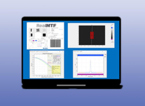
Why MTF measurement matters in video testing
Modulation Transfer Function, or MTF, is widely used to describe how effectively an imaging system reproduces contrast at different levels of detail. In video applications, this is especially relevant when comparing lenses, cameras, image processing pipelines, or complete capture systems that must deliver reliable visual performance under controlled conditions.
Instead of relying only on visual inspection, MTF-based evaluation provides a more structured way to understand sharpness behavior, edge reproduction, and overall image fidelity. This is valuable in environments where engineering teams need repeatable benchmarks, traceable test methods, and clearer criteria for pass/fail decisions.
Typical applications for MTF Measuring Device (Video)
These devices are commonly used wherever image quality must be verified with technical rigor. Typical use cases include camera module development, lens performance comparison, production inspection, and validation of video imaging systems used in industrial, broadcast, medical, or embedded environments.
They can also play an important role when image quality is influenced by multiple stages in the system. For example, engineers may want to distinguish between optical limitations, sensor behavior, and downstream signal processing. In broader test setups, MTF evaluation is often complemented by tools such as a video analyzer when additional signal-level assessment is required.
What to consider when selecting an MTF measurement solution
The right choice depends on the type of video system being tested and the level of control required in the measurement workflow. Buyers should first consider the target object of evaluation, such as a lens, camera, camera module, or complete video path, because this affects fixture design, test targets, alignment needs, and the expected measurement procedure.
It is also useful to review how the device will fit into an existing lab or production environment. Some users need a stand-alone measurement instrument for routine quality checks, while others need a solution that can be integrated into a larger verification workflow with complementary tools, automated routines, or reference content. If test pattern generation is part of the process, pairing the setup with a video signal generator may help create a more controlled evaluation environment.
Role within a broader video measurement workflow
An MTF device is rarely used in isolation in advanced test environments. In many labs, it forms part of a broader video measurement workflow that may include signal generation, analysis, cabling verification, and reference image comparison. This is especially true when engineers need to investigate whether a drop in perceived image quality is caused by the optical chain, the electronic signal path, or the display and playback environment.
For example, when troubleshooting image degradation, teams may first verify interconnect integrity with a video cable tester before moving on to image sharpness evaluation. In other cases, MTF results may be interpreted alongside standardized image references or comparison assets used for broader visual assessment.
Benefits for quality control and product comparison
For manufacturers and technical teams, one of the main advantages of MTF measurement is repeatability. A defined measurement method helps reduce operator-to-operator variation and supports more consistent decisions during incoming inspection, development reviews, and end-of-line quality checks.
It also improves product comparison. When two imaging systems appear similar in casual viewing, MTF-based measurement can reveal meaningful differences in edge response, contrast reproduction, or detail retention. This makes the category relevant not only for design engineers, but also for procurement, QA, and technical managers who need objective evidence when evaluating alternatives.
How to evaluate category fit before buying
Before selecting from this category, it helps to clarify the intended test objective. Some users are primarily focused on optical sharpness and image detail, while others are validating the performance of a complete video system under controlled conditions. Defining the measurement goal early makes it easier to choose a solution that matches the workflow, staffing level, and reporting requirements.
You should also consider whether the purchase is part of a larger image evaluation environment. If objective sharpness testing will be combined with comparative reference analysis, related tools such as a picture evaluation library for video testing may be relevant. This kind of ecosystem thinking is often important in professional B2B environments where measurement tools need to work together rather than operate as isolated instruments.
Choosing with long-term usability in mind
In technical purchasing, immediate measurement capability is only one part of the decision. Long-term usability matters as well, including how easily the device can be incorporated into documented procedures, training routines, and repeat inspection programs. A well-matched MTF solution should support stable operation over time and help teams maintain consistent evaluation standards as products or test conditions evolve.
For organizations working with video image quality, this category offers a practical route to more objective testing. A carefully selected MTF Measuring Device (Video) can strengthen development work, support quality assurance, and provide clearer insight into how an imaging system performs when detail and contrast really matter.
-
-
-
-
-
-
-
-
-
-
-
-
-
-
-
-
-
-
-
-
-
-
-
-