


Underground gold, jewelry detector
Finding small gold targets, buried jewelry, coins, or relics often requires more than a general-purpose search tool. Ground conditions, target size, depth, and the need to separate valuable finds from unwanted metal all influence detector choice. This category focuses on underground gold and jewelry detectors designed for field use, prospecting, and target recovery in a range of environments.
Compared with basic detectors, this equipment is typically selected for better sensitivity to non-ferrous targets, more precise target response, and practical features such as ground balance, waterproof search coils, adjustable sensitivity, and audio discrimination. Whether the priority is beginner-friendly operation or more advanced ground handling in mineralized soil, the right detector depends on how and where it will be used.
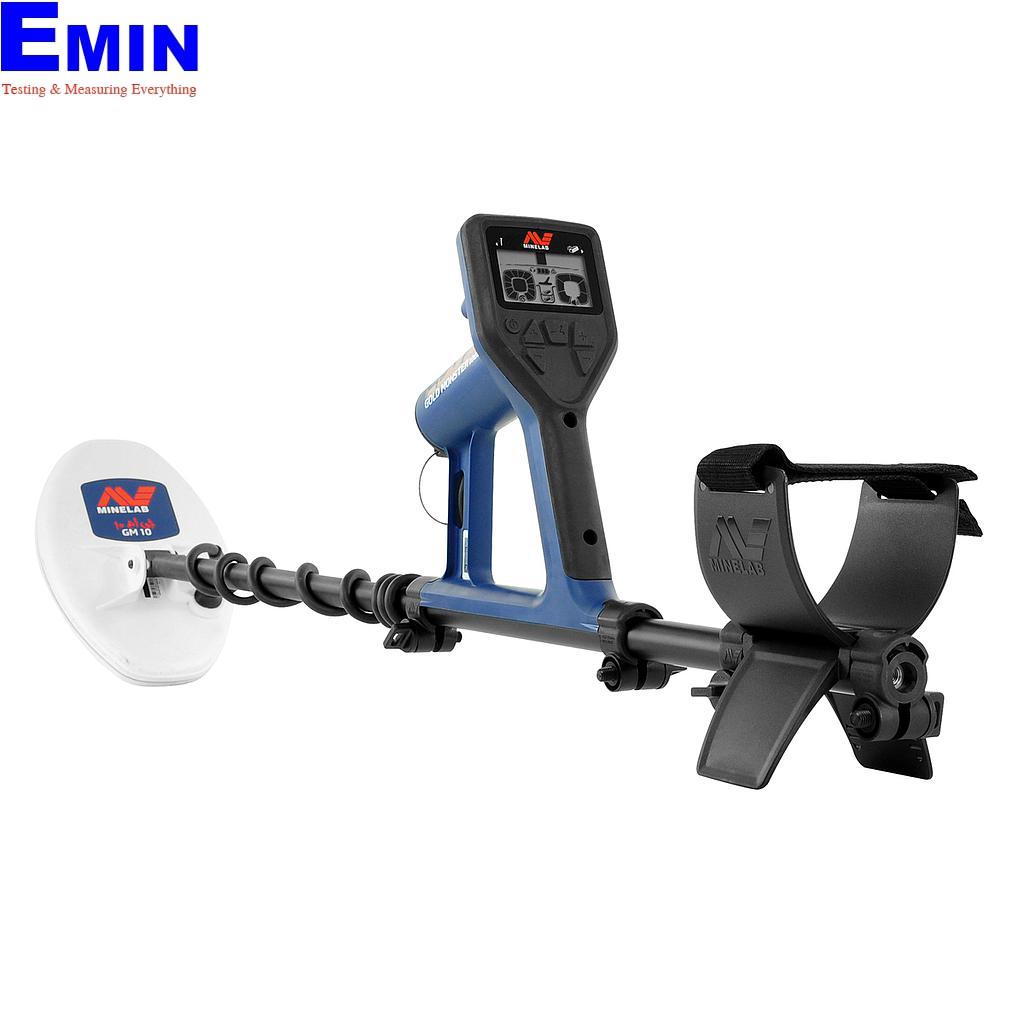
How underground gold and jewelry detectors work
Most detectors in this category operate by generating an electromagnetic field through the search coil and then analyzing how that field changes when metal is present underground. In practical use, the detector converts those changes into audio tones, target ID ranges, depth indication, or visual feedback on the display.
Performance is influenced by several factors beyond raw sensitivity. Ground balance helps the detector adapt to mineralized soil, while discrimination settings help reduce unwanted signals from iron or low-priority scrap. Search coil size also matters: smaller coils can improve target separation in cluttered ground, while larger coils may support broader coverage or deeper search patterns depending on the site.
Common applications in gold and jewelry search
This category is relevant for users searching for jewelry in parks, beaches, and open ground, as well as for prospecting small gold targets in more challenging terrain. Some detectors are tuned for versatility across coin, relic, jewelry, and all-metal search modes, while others are more specialized for gold-bearing ground and difficult soil conditions.
For example, models such as the MINELAB VANQUISH 540 Pro-Pack and MINELAB EQUINOX 800 are suitable when users want multi-mode searching across different target types and environments. For dedicated prospecting, products like the MINELAB GPX 6000, MINELAB GPX 5000, MINELAB SDC 2300, MINELAB Gold Monster 1000, NOKTA GOLD KRUZER, and NOKTA Gold Finder 2000 better reflect the needs of gold-focused detection, especially where soil mineralization and very small targets are part of the job.
Key features to compare before choosing
One of the first things to compare is the detector’s search platform and operating logic. Some models use multi-frequency approaches for broader versatility, while others use VLF or pulse-based detection principles that may better match specific gold prospecting conditions. In real buying decisions, the goal is not simply more settings, but the right balance of sensitivity, stability, and ease of interpretation in the field.
It is also important to look at search modes, waterproof capability, target ID behavior, audio options, and power source. A detector intended for beach or wet-ground work may benefit from stronger water resistance, while a unit for long prospecting sessions may need a battery setup and physical design that support extended use. Users comparing this category with broader options may also want to explore underground metal detectors when the search is not limited to gold or jewelry.
Representative brands and product direction
MINELAB is one of the main reference brands in this category, covering both entry-level and advanced detector ranges. The VANQUISH series is often associated with straightforward operation for coin and jewelry hunting, while the X-TERRA PRO and EQUINOX 800 add more flexibility for users who move between park, field, beach, and gold-oriented search conditions. At the more specialized end, GPX, SDC, and Gold Monster models are aligned with serious gold detection workflows.
NOKTA also plays an important role, particularly with gold-focused VLF detectors such as the GOLD KRUZER and Gold Finder 2000. These products are relevant for users who prioritize high-frequency response, portability, and practical control over search behavior in prospecting environments. Brand choice should be guided less by name alone and more by site conditions, operator experience, and expected target profile.
Choosing by user level and field conditions
Beginners often benefit from detectors with simpler controls, clear search modes, and stable automatic functions. In that context, a model such as the MINELAB VANQUISH 340 may suit users who want a more accessible starting point for jewelry and general non-ferrous target hunting. A straightforward interface can reduce setup time and help users learn signal behavior faster.
More experienced operators may prefer detectors with expanded control over sensitivity, tone behavior, search profiles, or ground handling. The MINELAB X-TERRA PRO, EQUINOX 800, and GPX series are examples of equipment that better fit users working across varied terrain or pursuing more demanding targets. If the job shifts toward locating utilities rather than valuables, a dedicated pipe and cable locator is usually the more suitable tool.
Practical considerations for system setup
In the field, detector performance is shaped not only by the control box but also by the coil, audio method, and carrying configuration. Waterproof coils, wireless audio, adjustable shaft length, and overall unit weight all affect comfort and productivity during long search sessions. This matters especially when operators need to cover large areas or work in rough ground for extended periods.
Some listings in this ecosystem may also include spare parts or support items rather than complete detectors. For instance, a product such as the MINELAB 3004-0266 PCB for VANQUISH 340 should be understood as a replacement component within the detector platform, not as a standalone search solution. Buyers should therefore distinguish clearly between complete detector systems and maintenance or repair parts when reviewing available products.
When to choose this category over other detector types
This category is the right fit when the intended targets are buried gold items, jewelry, coins, or similar metallic objects below the surface. It is especially relevant when users need stronger sensitivity to valuable targets and more control over search behavior than a basic building or wall detector can provide. For indoor inspection work, categories such as detectors for metal and wires in walls are more appropriate because the detection task and operating environment are different.
Likewise, industrial inspection or textile line detection follows a different use case than underground searching. The detector should always match the search objective, target type, and environment. Choosing by application first usually leads to better results than choosing by specifications alone.
Conclusion
Selecting an underground gold or jewelry detector is mainly about matching the detector’s detection principle, search modes, ground handling, and physical design to the real conditions on site. A versatile unit can be a strong option for mixed searching, while dedicated gold models make more sense when mineralized ground and small targets are the priority.
Within this category, users can compare equipment from established brands such as MINELAB and NOKTA across entry-level, multi-purpose, and specialized prospecting needs. Reviewing the search environment, target type, and preferred level of control will help narrow the most suitable detector for efficient and consistent field use.
-
-
-
-
-
-
-
-
-
-
-
-
-
-
-
-
-
-
-
-
-
-
-
-