


SS, MLSS sensors
Reliable solids measurement is a core requirement in wastewater treatment, process water control, and sludge handling. When operators need stable data for suspended solids, mixed liquor concentration, or sludge blanket monitoring, choosing the right sensor helps improve process visibility and supports better control decisions across clarifiers, aeration tanks, and settling stages.
SS, MLSS sensors are used to monitor the concentration of solids in liquid media, especially in environmental and water treatment applications. On this page, you can explore sensors suited to continuous measurement tasks where optical detection, digital communication, and robust field installation are important factors.
Where SS and MLSS measurement is commonly used
In practical operation, solids monitoring is not only about obtaining a number on a display. It is often part of a wider control strategy used to maintain treatment efficiency, track sludge concentration, and detect process changes early. This is especially relevant in municipal and industrial water systems where solids loading can vary significantly over time.
Depending on the installation point, these sensors may be used for suspended solids measurement, mixed liquor monitoring in biological treatment, turbidity-related process observation, or sludge blanket tracking in settlement zones. In many plants, they are selected alongside other water quality devices such as turbidity sensors to provide a broader picture of water and sludge conditions.
How these sensors work in continuous monitoring
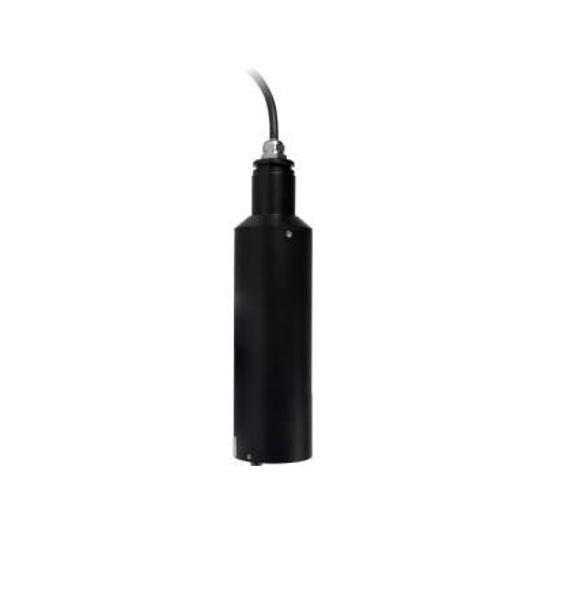
Most products in this category are designed for in-line or immersed use and are intended for ongoing measurement rather than occasional spot checks. The featured Aqualabo models use an optical IR principle at 870 nm based on absorption, which is suitable for solids-related monitoring in demanding process environments.
This type of design is useful when plants need repeatable readings and fast updates from field-mounted devices. In addition to solids-related values, some models also include temperature measurement and digital communication options such as Modbus RS-485 or SDI-12, which can simplify integration into monitoring networks and control systems.
Representative products in this category
This category includes selected models from Aqualabo, with examples covering both suspended solids and sludge blanket applications. Typical options include the Aqualabo MES5 Suspended Solid digital sensor in 7 m and 15 m bare wire versions, as well as the Aqualabo VB5 Sludge blanket digital sensor with similar cable length options.
These product examples show the practical scope of the category: sensors intended for immersion, protected operation in harsh environments, and digital data transmission for process monitoring. Rather than serving as general-purpose laboratory instruments, they are positioned for field use where durability, installation flexibility, and stable measurement response matter.
What to consider when selecting an SS or MLSS sensor
The first selection point is the actual process objective. Some installations focus on measuring suspended solids concentration in process water, while others need better visibility into settling behavior or sludge blanket level. Even when the measurement technology is similar, the application context affects sensor placement, maintenance planning, and how the output data will be interpreted.
It is also important to review the measurement range, communication interface, and physical installation details. For example, cable length can influence installation convenience, while interface choices such as RS-485 or SDI-12 can affect compatibility with the existing system architecture. For plants that monitor several water quality parameters at once, it may also be useful to compare this category with DO sensors used in aeration and biological treatment control.
Environmental and installation requirements
Field sensors in water and wastewater service are often exposed to humidity, fouling, variable temperatures, and mechanical stress. For that reason, material construction, sealing, and protection rating play an important role in long-term usability. The featured products indicate an IP68 protection level, which is relevant for immersed applications where sensor integrity must be maintained over time.
Other practical details such as pressure tolerance, connector style, and cable construction can also influence project suitability. In permanent installations, these factors are just as important as the nominal measuring function because they affect service life, maintenance frequency, and installation reliability in basins, tanks, or channels.
How SS, MLSS, turbidity, and sludge blanket data work together
Although this category focuses on solids-related measurement, users often evaluate it as part of a larger instrumentation set. Suspended solids and MLSS values help operators understand biomass or particulate concentration, while sludge blanket monitoring provides insight into settling conditions. In parallel, turbidity can be useful for tracking water clarity trends in adjacent process stages.
For broader environmental monitoring strategies, these sensors may be used together with devices from categories such as chlorine sensors or free ion measurement, depending on the treatment process. The benefit is not in replacing one parameter with another, but in building a more complete operational view from multiple sensor inputs.
Why digital communication matters in modern installations
Many current projects are moving away from isolated measurement points and toward connected field instrumentation. A digital sensor with standard communication options can make commissioning, data collection, and controller integration more straightforward, especially where remote monitoring or SCADA connectivity is required.
In this category, the presence of interfaces such as Modbus RS-485 or SDI-12 is relevant for users who need dependable transmission from the sensor to the control layer. Combined with fast measurement refresh and a design intended for continuous operation, this supports routine monitoring in applications where process conditions can change quickly.
Choosing the right fit for your process
The right sensor choice depends on more than a single parameter. Process location, required measurement focus, cable length, communication preference, and maintenance conditions all influence whether a given model is suitable. Products such as the Aqualabo MES5 and VB5 illustrate how this category addresses both process solids monitoring and more specific sludge-related applications.
If you are comparing solutions for wastewater treatment, sludge management, or environmental process monitoring, this category is a useful starting point for identifying sensors built for immersed operation and digital integration. Reviewing the available models in context with the rest of your instrumentation strategy will help you narrow down a practical and technically appropriate selection.
-
-
-
-
-
-
-
-
-
-
-
-
-
-
-
-
-
-
-
-
-
-
-
-