


Security devices
Protecting facilities, assets, and people often requires more than a single type of device. In practical security work, teams may need tools for signal detection, video system inspection, screening, and field diagnostics depending on the installation environment and the level of risk involved.
Security devices in this category cover a broad range of equipment used for surveillance support, technical inspection, and security operations. The selection includes handheld analyzers, CCTV testing tools, and other security-related instruments that help technicians, integrators, and industrial users verify system performance and respond more effectively in the field.
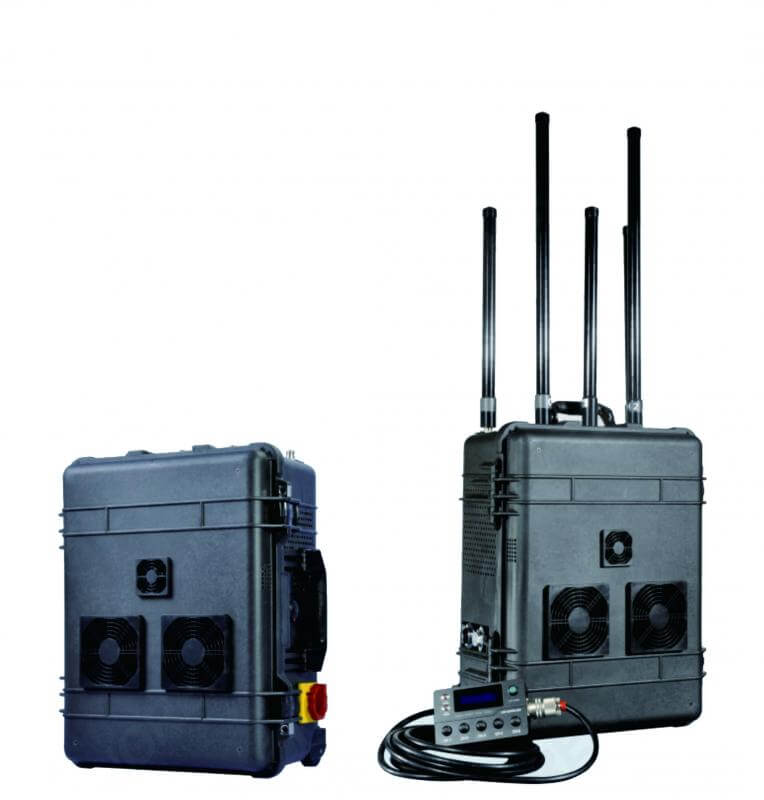
Where these security devices are typically used
Security equipment in this category is relevant across commercial buildings, industrial sites, public infrastructure, transportation hubs, and system integration projects. In many cases, the goal is not only to detect threats, but also to confirm that installed security systems are operating correctly and that signal paths, cameras, and supporting components are working as expected.
Field technicians may use portable testers during CCTV installation and maintenance, while specialized RF tools can support technical surveillance countermeasure activities or help investigate suspicious wireless activity. This makes the category useful for security contractors, maintenance teams, facility operators, and organizations that need reliable on-site diagnostic capability.
Key product groups within the category
A practical way to evaluate this category is by looking at the different operational roles of the equipment. Some devices are designed for RF detection and spectrum analysis, while others focus on video testing, camera setup, cable tracing, and PTZ verification for surveillance systems.
For example, the JJNdigital HSA-Q1 Handheld RF Spectrum Analyser is aimed at detecting and observing RF activity across a wide frequency range, making it suitable for technical inspection tasks where users need portable spectrum visibility. On the video side, models from Value+ support CCTV troubleshooting, helping installers check video signals, trace cables, and verify control functions directly at the point of installation.
Examples of devices available
The JJNdigital HSA-Q1 is a handheld RF spectrum analyser with a wide detection range from 1 MHz to 13.44 GHz, a color spectrogram waterfall display, tune-and-listen capability, and data logging support. In real use, these functions are valuable when operators need to monitor the RF environment, compare changes over time, or investigate unknown transmissions in a portable format.
For CCTV work, the Value+ range offers several portable options with different feature levels. Entry and mid-range models such as the Value+ VM23A, VM23B, VM25A, and VM25C are suitable for basic video checking and field verification, while more capable units such as the Value+ VM25D and VM23E add functions like PTZ-related support, cable tracing, or RS-485 monitoring depending on the model.
For more advanced service tasks, models such as the Value+ VM31D, VM31E, and VM31F combine CCTV testing with broader diagnostic features. These instruments are useful when installers need more than a screen for live video, especially in projects involving power output, cable testing, multimeter functions, and in some cases optical power measurement.
How to choose the right device for your application
The best starting point is to define the actual job to be done. If the requirement is identifying suspicious wireless activity or surveying the RF environment, a handheld spectrum analyser is more relevant than a standard camera tester. If the task is commissioning or maintaining analog CCTV infrastructure, a portable tester with video input, cable tracing, and PTZ support will usually be the more efficient choice.
It is also important to match the tool to the working conditions. Screen size, battery operation, charging method, portability, connector type, and logging capability can affect usability in field service. For technicians working across multiple systems, a multifunction tester may reduce the amount of equipment they need to carry, while a more focused device can be a better fit for specialized workflows.
Important features to compare
When reviewing products in this category, compare the features that directly affect daily operation rather than focusing only on headline specifications. For RF inspection tools, useful points include frequency coverage, sweep speed, sensitivity, visual display modes, audio demodulation, and the ability to record or review the surrounding RF environment.
For CCTV testers, buyers often compare display size, support for NTSC/PAL signals, PTZ control functions, cable tracing capability, RS-485 monitoring, power output for field checks, and whether the device includes additional diagnostic tools. In higher-end models, multifunction testing can be especially helpful for installers who handle camera systems, wiring verification, and basic electrical checks in one visit.
Brands and ecosystem context
This category includes products and brand options that support a range of security and inspection needs. Alongside the highlighted examples from JJNdigital and Value+, buyers may also explore manufacturers such as Triplett, VANTECH, Ebinger, ZOAN, and ELVIRA where relevant to their application or procurement standards.
Brand selection in B2B purchasing is often influenced by the type of project, service model, operator familiarity, and the level of testing required on site. Rather than choosing by brand alone, it is usually better to compare the available functions against the workflow: inspection, installation, verification, documentation, and routine maintenance.
Who this category is suited for
These products are especially relevant for security integrators, low-voltage installers, facility maintenance teams, technical security personnel, and project buyers sourcing tools for deployment and service work. They are also useful for organizations that need portable equipment for periodic inspections, fault isolation, or system acceptance testing.
In many projects, the real value comes from having the right device available at the moment a problem appears. A compact tester can shorten camera commissioning time, while a portable RF analyser can provide faster insight when investigating interference or suspicious transmissions. That makes portable field diagnostics a practical part of modern security operations.
Final considerations before ordering
Before selecting a product, review the intended use case, the interfaces you need to work with, and the level of diagnostic detail required in the field. Basic testers are often enough for routine video checks, while advanced units make more sense for service teams handling broader troubleshooting tasks across multiple system types.
This security devices category is designed to support those different needs with equipment for inspection, verification, and maintenance. If you are comparing options for RF investigation, CCTV setup, or on-site system diagnostics, focusing on the actual workflow will make it easier to identify the most suitable tool for long-term use.
Types of Security devices (112)
-
-
-
-
-
-
-
-
-
-
-
-
-
-
-
-
-
-
-
-
-
-
-
-